
Why do insulin and sulfonylureas raise low blood sugar risk?
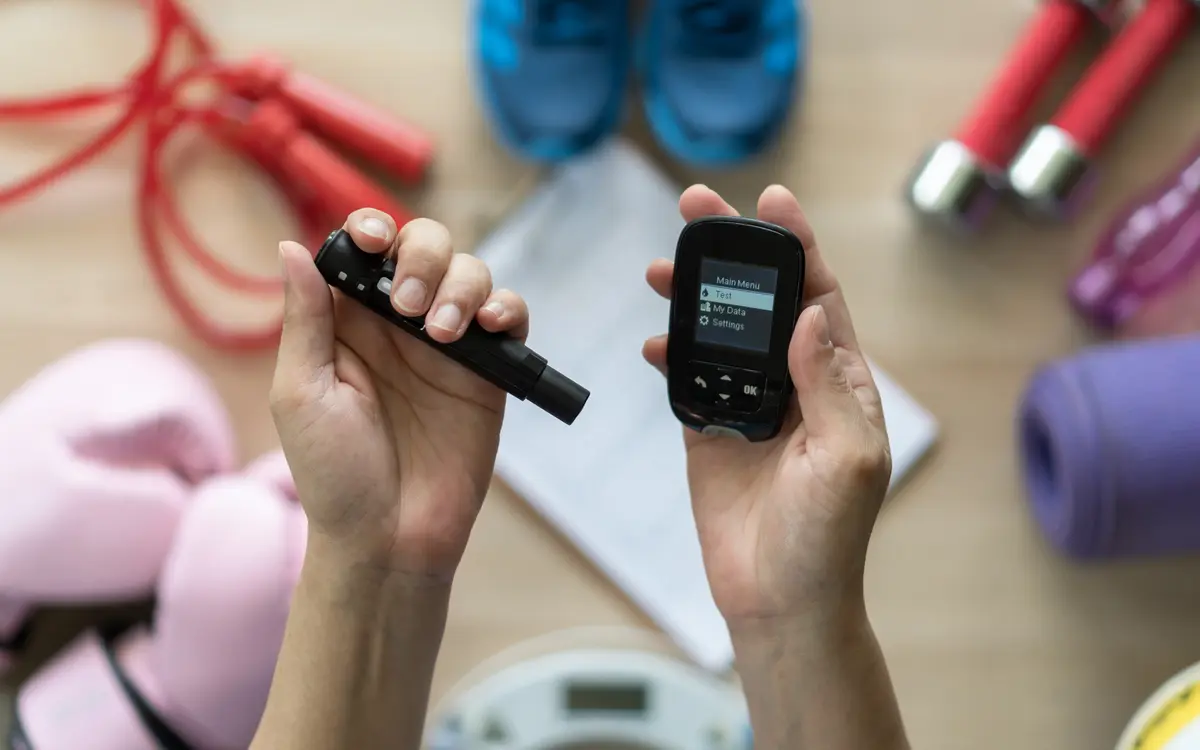
Because semaglutide lowers blood sugar too, and these medicines keep pushing it down regardless. Semaglutide boosts insulin release mainly when glucose is high, but insulin injections and sulfonylureas such as glipizide, glyburide or glimepiride act whether glucose is high or not. Stack them and the floor can drop.
The Wegovy label is direct about it. In a weight trial of adults with type 2 diabetes, clinically significant low blood sugar, under 54 mg/dL, occurred in 6.2% of people on semaglutide 2.4 mg versus 2.5% on placebo, and the risk rose when a sulfonylurea was part of the regimen. The label advises considering a lower insulin or sulfonylurea dose when semaglutide starts, and checking blood sugar before and during treatment.
MedlinePlus lists the warning signs of low blood sugar: dizziness, sweating, shakiness, hunger, irritability, headache, blurred vision and a fast heartbeat. If you use either type of medicine, you need a plan for what to do when those show up.
Why might blood pressure doses need lowering?
Because blood pressure usually falls as weight comes off. In the STEP 1 trial, systolic pressure dropped by an average of 6.2 mm Hg with semaglutide versus 1.1 mm Hg with placebo over 68 weeks. For a man whose pills were tuned to a higher starting point, that drop can tip him into lightheadedness.
The label backs this up. In the weight trials, low blood pressure reactions were reported in 1.3% of people on semaglutide versus 0.4% on placebo, and fainting in 0.8% versus 0.2%. Both were more common in people already taking blood pressure medicine, and some cases followed vomiting or diarrhea that left people dry.
Dehydration also matters for the kidneys. Diuretics lower fluid volume by design, and the label warns about acute kidney injury when stomach side effects cause fluid loss, especially during dose increases. Our page for men on blood pressure medicines covers home monitoring in more depth.
Which medicines should you list at the first visit?
All of them, including ones you take only sometimes. These matter most with semaglutide:
| Medicine type | Why it matters |
|---|---|
| Insulin, sulfonylureas | Low blood sugar risk; doses may need lowering at the start |
| Blood pressure pills, especially diuretics | Pressure may drop as weight falls; fluid loss strains kidneys |
| Any other GLP-1 or tirzepatide product | The label does not recommend combining them |
| Levothyroxine and other oral medicines that need close monitoring | Semaglutide slows stomach emptying; levothyroxine exposure rose 33% with the semaglutide tablet |
| Blood thinners such as warfarin | Narrow-margin oral drugs warrant closer monitoring on the label’s advice |
| ED medicines | Also lower blood pressure; see ED pills with blood pressure medication |
| Supplements and weight-loss products | Some affect blood pressure or blood sugar |
Bring the bottles or a photo of the labels. Dose and timing details save time and prevent guesswork.
What does monitoring look like when medicines overlap?
Home numbers do most of the work. If you take insulin or a sulfonylurea, expect to check glucose more often in the early weeks. If you take blood pressure medicine, a home cuff reading a few mornings a week gives the clinician managing that medicine something to act on. Labs, including A1C and kidney function, are repeated as the plan goes on; see our page on the A1C test for men.
Get emergency care by calling 911 if low blood sugar causes confusion, fainting or a seizure, or if you have chest pain or signs of stroke.
Related question: who should not combine semaglutide with anything?
Some men should not take semaglutide at all, whatever else is on their list, such as anyone with a personal or family history of medullary thyroid cancer. That list is covered in who should not take semaglutide, and the drug itself is explained in our semaglutide medication guide.
How Ultimate Male coordinates your medicines
Many men who start medical weight loss at Ultimate Male already take blood pressure or diabetes medicine from another clinician. The consultation with a PA-C or MD starts with a full medicine review and on-site labs, and the plan spells out who adjusts what, so your primary care or diabetes clinician stays in the loop rather than being surprised.
As weight comes off, check-ins look at home readings and symptoms such as dizziness, and flag when a blood pressure or diabetes dose may need a second look. If you are weighing whether this fits your situation, a free 10-minute call at 626-319-5261 is a low-pressure way to ask.