
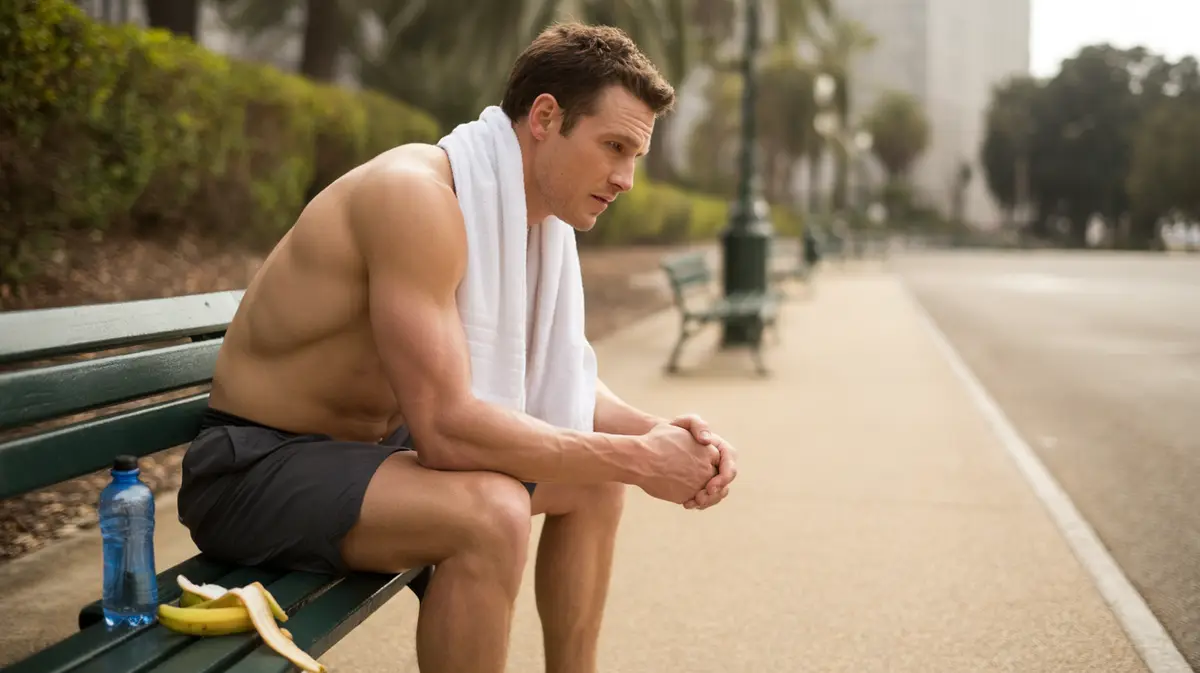
What overtraining does to testosterone
Hard training can lower testosterone when the body decides it cannot fund heavy exercise and normal reproduction at the same time. The brain turns down LH and FSH, the hormones that tell the testes to make testosterone, and levels drift lower.
Researchers describe two broad patterns. A 2020 review by Anthony Hackney separates short-lived drops tied to low energy availability or overtraining from a longer pattern he calls the exercise-hypogonadal male condition. The short-lived drops generally resolve once the cause is managed. The chronic form appears in men with many years of near-daily, high-volume endurance training, with testosterone running 25% to 50% below what is expected for their age.
Most of these drops land in the low-normal range rather than far below it. That is one reason the problem gets missed: the number looks acceptable on paper while the man feels flat.
Signs your training is outpacing your recovery
The signs overlap with low testosterone from any cause, which is why a lab check matters. Look for a cluster that lasts weeks, not one rough week:
- Performance stalls or falls even as you train harder
- Persistent fatigue, heavy legs and restless sleep
- Lower libido or fewer morning erections
- Irritability, low mood or losing the urge to train
- Frequent colds, nagging injuries or slow healing
- Unplanned weight loss, or trouble holding weight during a hard block
- Stress fractures in runners and cyclists
The 2023 International Olympic Committee consensus on Relative Energy Deficiency in Sport (REDs) describes health and performance effects in both female and male athletes, with more data on men than earlier versions. It also flags how much REDs and overtraining syndrome overlap. From the outside, they can look almost identical.
Why it happens: energy, load and sleep
Low energy availability is the main driver. It means you are not eating enough to cover what training burns and still leave enough for basic body functions. The IOC panel also points to low carbohydrate availability as an added stressor on top of a calorie gap.
Common ways active men get there:
| Pattern | What goes wrong |
|---|---|
| Endurance blocks (marathon, triathlon, cycling) | Very high energy burn that appetite does not keep up with |
| Cutting for a physique goal | A deliberate calorie deficit while lifting volume stays high |
| Low-carb or fasting plans during hard training | Total calories look fine but carbohydrate runs short |
| Hard training plus a physical job | Work activity adds burn the training plan ignores |
| Short or broken sleep | Recovery and hormone rhythm suffer even when food is adequate |
Men chasing a stage-lean look are a common example. Our page on lack of ab definition despite training explains why the last layer of fat should not be chased with a crash deficit.
Other causes have to be ruled out before training takes the blame. Hackney’s review names anabolic steroid use and past head injury as two to check specifically. Opioid pain medicines, heavy drinking, sleep apnea and pituitary problems belong on the list too.
Which labs confirm it
A single afternoon result cannot confirm exercise-related low testosterone. The Endocrine Society guideline asks for two early-morning measurements before calling testosterone low, and it asks clinicians to look for reversible causes first. Timing matters even more in athletes, because a brutal session the day before can pull the number down.
A useful workup for a man in heavy training usually includes:
| Test | Why it matters here |
|---|---|
| Total testosterone, repeated in the morning | Confirms the level is truly low, not a one-off |
| Free testosterone and SHBG | Shows usable testosterone when the binding protein is unusual |
| LH and FSH | Low or inappropriately normal values point to the brain signal, the pattern seen with energy deficit |
| CBC and ferritin | Anemia and low iron stores cause fatigue in endurance athletes |
| TSH and free T4 | Thyroid problems can mimic overtraining |
| Creatine kinase and liver enzymes | Hard training raises them, which can confuse other results |
| Vitamin D, prolactin, metabolic panel | Fill in bone, pituitary and kidney questions |
MedlinePlus notes that testosterone results are read alongside symptoms and other tests rather than alone. For detail on specific markers, see our pages on the LH blood test and creatine kinase, plus our answer on blood work for overtraining. Plan the draw after a rest day when you can.
Why fuel and recovery come before hormones
When low energy availability is the cause, the treatment is energy and rest. Hackney’s review points to nutritional changes and reduced training volume as the way to restore normal hormone function in overtraining and REDs.
Starting testosterone in this setting creates new problems:
- It masks the warning sign without fixing a deficit that is also affecting bone, immunity and mood.
- Outside testosterone suppresses your own LH, FSH and sperm production.
- Testosterone and related agents appear on the World Anti-Doping Agency prohibited list. If you compete, our page on peptides banned for tested athletes covers the related rules.
A practical plan usually means eating enough to match training, with more carbohydrate around sessions, cutting volume or intensity for a block, protecting sleep, then repeating the morning labs. If testosterone stays low after the energy gap is closed and other causes are excluded, the picture changes. That man may have true hypogonadism, and the next step is a full evaluation for secondary hypogonadism.
When symptoms are urgent
Some symptoms during heavy training need emergency care rather than a clinic visit. Call 911 or go to the ER for chest pain or pressure, fainting during exercise, or a racing or irregular heartbeat that does not settle. Dark, cola-colored urine with severe muscle pain and weakness after an extreme session can signal rhabdomyolysis, a form of muscle breakdown that needs the ER the same day.
Low mood that has reached thoughts of self-harm needs immediate help: call or text 988, the Suicide and Crisis Lifeline, before thinking about any lab plan.
How Ultimate Male evaluates active men
At Ultimate Male, an overtraining question starts with a free 10-minute phone call and a same-day blood draw at our San Gabriel or Downey clinic, with results in 24 to 48 hours. Tell us about your training load, your eating pattern and when your last hard session was, so the draw can be timed sensibly.
Our preventative blood testing menu covers this question well. The comprehensive panel checks 40+ biomarkers across hormones, thyroid, nutrients, liver and kidney, and the provider adds LH, FSH, free testosterone or a repeat morning testosterone when the first results call for it. The TRT pre-screening panel on its own is too narrow to answer the overtraining question.
At the consultation, a PA-C or MD gives you a plain read of what the numbers show: an energy problem, a recovery problem, a different medical cause or a true hormone deficiency. Older competitors may also find our page for masters athletes useful. For most underfueled men, the plan that comes out of the visit is food, sleep and a recheck rather than a hormone.