
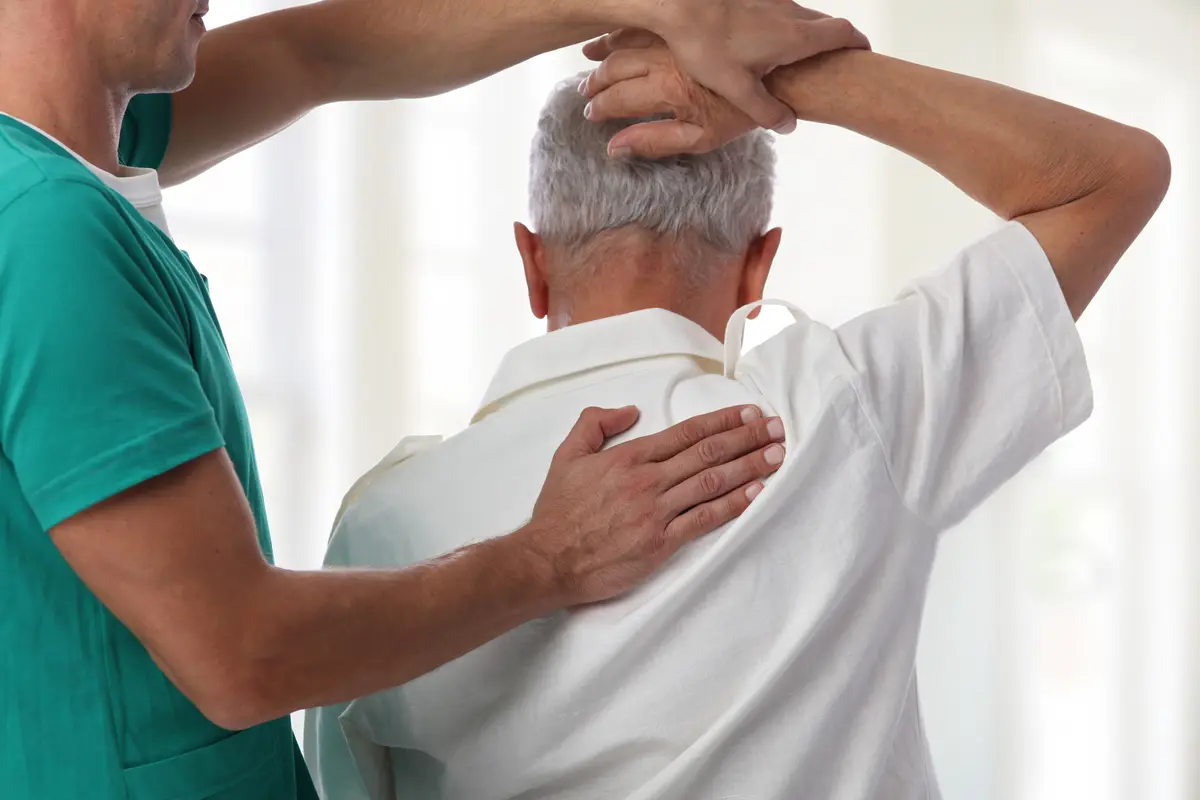
What normal age-related recovery slowdown looks like
Some slowing of recovery after 40 is normal and does not mean anything is wrong. Muscle mass declines gradually from early adulthood; a review of muscle aging puts the loss at roughly 3 to 8 percent per decade after age 30, faster after 60. Tendons stiffen, repair processes take longer, and old injuries make themselves known.
In practice, normal slowdown looks like this:
- Soreness after a hard session that lasts a day longer than it did at 30.
- Needing an extra rest day between heavy leg days.
- Warm-ups that take longer before you feel ready to lift.
- Progress that still happens, just more slowly.
If you sleep reasonably, eat enough protein and train with some structure, this kind of slowdown is manageable with smarter programming rather than medicine.
Smarter programming usually means a few specific adjustments. Alternate heavy and lighter days instead of pushing every session to the limit. Build in a lighter week every month or two. Give tendons more time than muscles, since they adapt more slowly, and add load gradually after a layoff. Spread protein across three or four meals rather than one large dinner, and treat the warm-up as part of the workout. Many men find that training slightly less often but with more focus brings progress back. The page for lifters over 40 goes deeper into how to plan training at this stage.
Signs that point to something beyond age
Recovery problems deserve a closer look when they come with other changes or keep getting worse despite sensible training. Warning signs include:
- Soreness or fatigue that lasts most of the week.
- Strength going backward over months, not just stalling.
- Low energy outside the gym, low sex drive or fewer morning erections.
- Poor sleep, waking unrefreshed, or loud snoring.
- Frequent minor injuries or tendon pain that will not settle.
- Low mood, irritability or loss of motivation to train.
- Resting heart rate higher than usual for weeks.
These overlap with overtraining, which our page on overtraining and low testosterone explains. Sometimes the cause is too much load and too little food; sometimes it is hormonal; often it is sleep.
Labs that separate the causes
Blood work turns a vague sense of “not bouncing back” into specific answers. The panel for a man with slow recovery usually includes:
| Test | What it can show | What it points toward |
|---|---|---|
| Morning total testosterone, free testosterone | Low androgen levels | Possible testosterone deficiency; repeat to confirm |
| IGF-1 | A stable marker of growth hormone activity | Low-for-age output, or very low levels that need endocrine review |
| CBC and ferritin | Anemia or low iron stores | Low oxygen delivery; common in endurance athletes |
| TSH | Thyroid function | An underactive thyroid slows recovery and energy |
| Vitamin D | Low stores | Linked to muscle and bone health |
| Creatine kinase | Recent muscle damage | Expected after hard training; very high values need follow-up |
| HbA1c, metabolic panel | Blood sugar, kidney and liver function | Metabolic contributors and safety before any treatment |
MedlinePlus explains why IGF-1 is used rather than growth hormone itself: growth hormone is released in pulses, while IGF-1 stays more stable through the day, making it a reliable way to track growth hormone activity. Our page on the IGF-1 blood test covers age-adjusted ranges. Draws are done on site at San Gabriel and Downey, ideally after a couple of easy days so hard training does not skew the results. Bring a list of supplements too, since creatine can raise creatinine and biotin can interfere with some hormone assays.
Sleep: the recovery lever most men underrate
Sleep is where much of the repair happens, and men over 40 often get less of it than they need. The National Institute on Aging notes that a good night’s sleep means sleeping seven to nine hours. Growth hormone is released largely during deep sleep, so short or broken nights blunt one of the body’s main recovery signals.
Testosterone suffers too. In a small JAMA study, restricting young healthy men to five hours of sleep a night for one week lowered daytime testosterone by 10 to 15 percent. Snoring, waking gasping or morning headaches can point to sleep apnea, which is worth testing for before blaming hormones.
Deciding between training changes, TRT or a sermorelin discussion
The lab results and sleep history decide the order of next steps.
- Labs normal, sleep short: fix sleep and programming first. More recovery days, deload weeks, enough protein and calories, and fewer late-night screens often restore progress within weeks.
- Testosterone low on two morning tests, with symptoms: testosterone therapy may be discussed, with monitoring of hematocrit, PSA and blood pressure. Our comparison of sermorelin versus TRT explains how the two differ.
- IGF-1 low for age, testosterone adequate, sleep addressed: a conversation about sermorelin may make sense. Sermorelin, formerly FDA-approved as Geref, is now supplied by compounding pharmacies, and its use for recovery in adults is outside the original approved indication.
- Very low IGF-1 or signs of pituitary disease: referral to endocrinology, because true growth hormone deficiency is a separate diagnosis.
- Anemia, low iron or thyroid problems: treat those first; they often explain everything.
Ultimate Male’s peptide therapy service starts with this lab work and a one-on-one consultation, and is clear about the FDA status of each option. Tested athletes should know that sermorelin and other growth-hormone-releasing peptides appear on the WADA prohibited list.
When to stop training and get checked
Some symptoms are not a recovery problem and need urgent care. Call 911 for chest pain or pressure during or after exercise, fainting, or a racing or irregular heartbeat that does not settle. Go to the emergency room for dark, tea- or cola-colored urine with severe muscle pain or swelling after a hard session, which can signal rhabdomyolysis, a dangerous muscle breakdown that can harm the kidneys.
Your next step
If recovery has slowed more than you expected, measuring before guessing saves months. Call 626-319-5261 for the free 10-minute phone consultation, or take the free online assessment to see which labs fit your symptoms. A PA-C or MD reviews your results at San Gabriel or Downey and explains whether training, sleep, TRT or sermorelin should come first.
