
What vascular erectile dysfunction is
Vascular ED is erectile dysfunction caused by a problem with blood flow into or out of the penis. An erection depends on the small arteries of the penis widening quickly so blood rushes into the spongy erectile tissue, and on that tissue then trapping the blood. When the artery lining stops relaxing well, arteries narrow with plaque, or the tissue lets blood drain away too soon (venous leak), erections become softer, shorter or harder to reach.
It is the most common form. The Cleveland Clinic describes vascular ED as the most common type of erectile dysfunction, covering problems with the vessels that bring blood to the penis and the valves that normally hold it there.
Signs that point to a blood-flow cause
Vascular ED tends to look different from ED that is mainly psychological. Typical features:
- Gradual onset over months or years rather than a sudden change.
- Softer erections in every situation: with a partner, alone and on waking.
- Fewer and weaker morning erections.
- Trouble keeping an erection more than getting one at first.
- Other vascular risk factors already present, such as high blood pressure or diabetes.
Psychological ED, by contrast, often starts suddenly, varies with the situation and leaves morning erections intact. Many men have a mix of both. Our page on weaker erections than before explains how the four-point Erection Hardness Score helps describe early change.
Shared risk factors with heart disease
Vascular ED and heart disease are two faces of the same artery problem. The Massachusetts Male Aging Study found that, after adjusting for age, ED was more likely in men with heart disease, high blood pressure and diabetes, and that smoking raised the odds of complete ED in men with heart disease or hypertension.
| Risk factor | Why it matters for erections |
|---|---|
| High blood pressure | Stiffens and damages artery walls; some blood pressure medicines add to the problem |
| Diabetes and prediabetes | Damages small blood vessels and nerves |
| High LDL and ApoB | Builds plaque that narrows arteries |
| Smoking | Injures the artery lining and constricts vessels |
| Excess weight and inactivity | Drives insulin resistance, inflammation and lower testosterone |
| Age | Arteries stiffen gradually |
The link runs into the future, too. In a JAMA study of men aged 55 and older, ED was followed by a higher rate of cardiovascular events, with a risk similar to current smoking or a family history of heart attack. That is why the AUA guideline treats ED as a cardiovascular risk marker and asks clinicians to say so to their patients. Our page on ED as an early sign of heart disease goes deeper.
Why would the penis show trouble first? Cardiologists have proposed an artery size hypothesis: because atherosclerosis affects the whole body, every vascular bed carries plaque, but a narrow penile artery loses meaningful flow from an amount of plaque that a wider coronary artery can still tolerate. The practical message is that a man in his 40s or 50s with gradually weakening erections may be seeing the earliest visible sign of artery disease, at a point when lifestyle change and risk-factor treatment have the most to offer.
How it is evaluated
The evaluation has two goals: confirm a vascular cause and check the heart risk that comes with it. At Ultimate Male, that usually means:
- A medical, sexual and medication history, including nitrates, alpha blockers and supplements.
- Blood pressure, measured at the visit.
- Morning total testosterone, which the AUA recommends for every man with ED.
- HbA1c and fasting glucose for diabetes risk.
- A lipid panel, with ApoB or Lp(a) when heart risk needs a closer look.
- A complete blood count and metabolic panel before treatment.
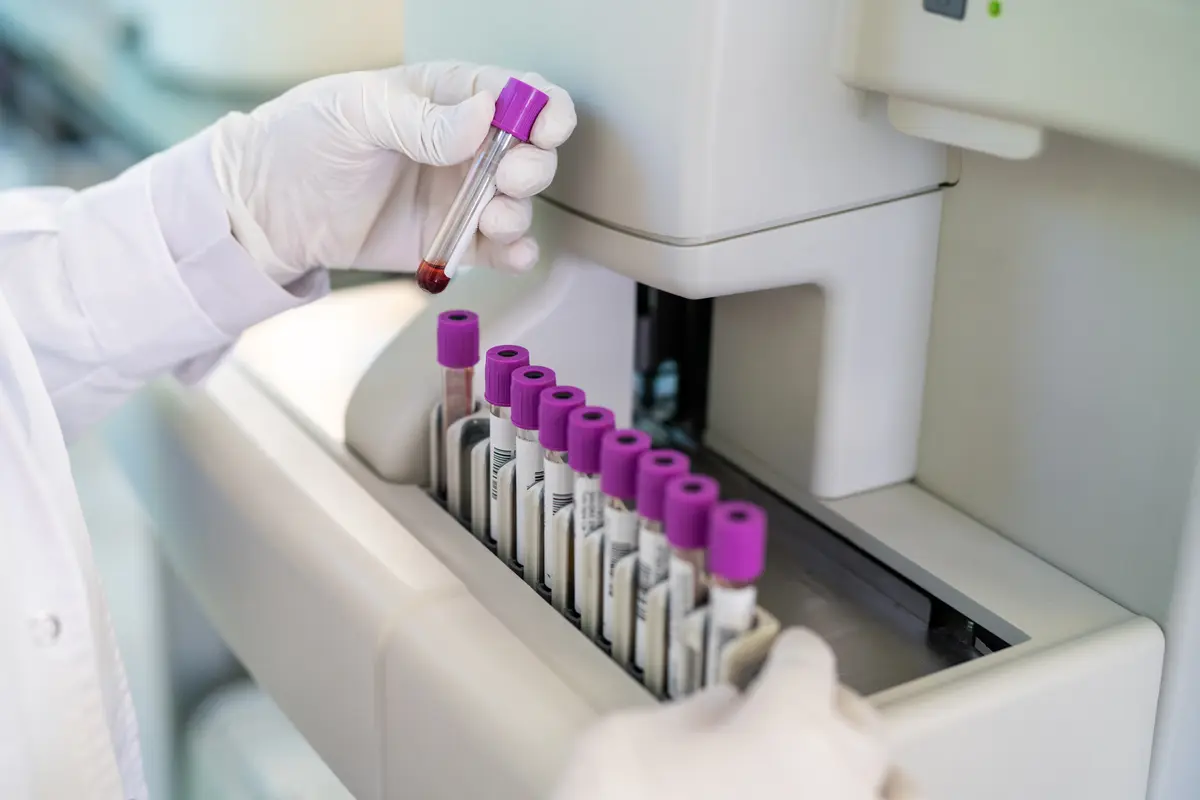
Labs are drawn on site at San Gabriel and Downey, with results in 24 to 48 hours. When the history or results suggest significant artery disease, the provider coordinates with your primary care doctor or a cardiologist, and a penile Doppler ultrasound can be arranged through a urologist if the cause remains unclear.
Treatment paths, and where shockwave fits
Treating vascular ED works on two levels: restoring erections now and protecting the arteries long term.
Restoring erections. Oral PDE5 medicines such as tadalafil (Cialis) and sildenafil (Viagra) are the usual first step and work well for many men with mild to moderate vascular ED. If tablets are not enough, injectable Trimix or Quadmix, compounded for the individual patient, relax the erectile tissue directly and work even when artery flow is reduced.
Protecting the arteries. Lowering blood pressure, LDL and blood sugar, stopping smoking, losing weight and exercising regularly all support vessel health and can improve erections over time.
Low-intensity shockwave therapy. Shockwave delivers acoustic pulses to the penis with the aim of improving blood flow. It is studied mainly in men with vascular ED, and the Cleveland Clinic notes it is most often used for mild to moderate cases. The evidence is still developing: the AUA guideline states that low-intensity shockwave therapy for ED should be considered investigational, the Sexual Medicine Society of North America takes a similar position, and it is not FDA-cleared for treating ED. At Ultimate Male, shockwave therapy is offered with that explained up front; most men who choose it do a series of six to twelve sessions over several weeks. Our page on who is a candidate for shockwave covers who tends to suit it.
PRP injections are also available, but the AUA considers PRP for ED experimental. The full menu is on the erectile dysfunction treatment page.
When it is urgent
Call 911 for chest pain, pressure or unusual breathlessness during sex or exertion, and stop sexual activity. Never take an ED pill if you use nitrate medicines such as nitroglycerin, and tell emergency staff if you have taken one. Go to the emergency room for an erection lasting more than four hours, particularly after an injection.
Your next step
If your erections have slowly weakened and you have any of the risk factors above, an evaluation can address both the ED and the heart risk it may signal. Ultimate Male offers a free 10-minute phone call at 626-319-5261, same-day labs at San Gabriel or Downey, and a private review with a PA-C or MD. A consultation is an evaluation, not a promise of a particular treatment; book online to get started.
