
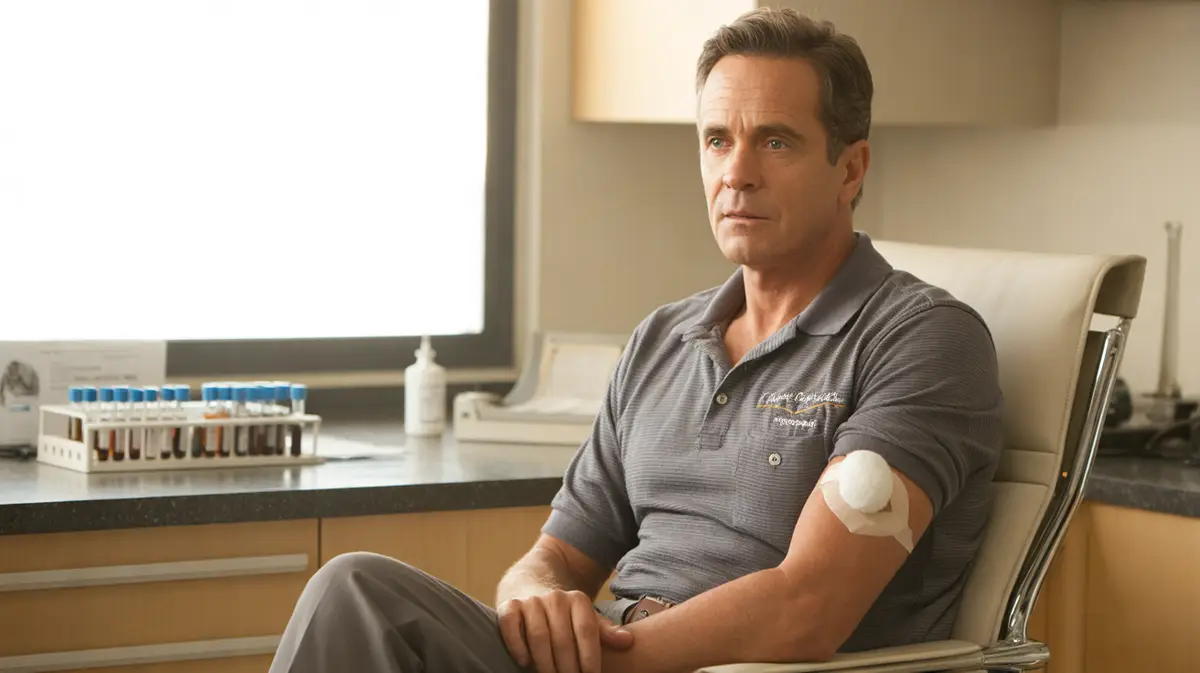
Why can cash-pay blood work cost less than hospital billing?
Cash-pay blood work often costs less because the price is set as one quoted figure instead of a stack of billed charges. When a hospital lab runs your tests, it bills from its list of standard charges. That bill can include a separate line for the draw itself, a line for each test, and sometimes facility-related charges, and the uninsured rate is not always obvious until the bill arrives.
Hospitals do have to show their prices. Since January 1, 2021, the CMS hospital price transparency rule has required them to post a machine-readable file of all items and services and a consumer-friendly display of shoppable services. Those files are useful, but they take effort to read, and the figure you find may not match how your visit is actually coded.
A direct-pay clinic works the other way around. Ultimate Male does not bill insurance, so the price you are quoted is the price you pay, and the draw happens on site at the clinic. That said, if your insurance covers routine labs at no cost through your primary care visit, that may still be the lowest-cost route for basic tests.
What drives the cost of a men’s blood panel?
The total depends mostly on which markers are run and how many. A short panel for one question costs less than a broad preventive panel, and specialized tests such as advanced cholesterol markers or genetic tests add more.
| Cost driver | What changes the price | Example at Ultimate Male |
|---|---|---|
| Number of markers | More tests, more lab work | TRT pre-screening panel versus the 40+ marker panel |
| Type of test | Advanced and genetic markers cost more to run | ApoB, Lp(a), MTHFR, HLA-B27, optional BRCA |
| Where blood is drawn | Hospital outpatient billing versus an in-clinic draw | Same-day draws at San Gabriel and Downey |
| Interpretation | Results with or without a provider explaining them | Clinical interpretation is included |
| Repeat testing | Some markers are rechecked, others are one-time | Testosterone repeated; Lp(a) usually once |
What does a typical men’s panel include?
A typical men’s panel covers hormones, blood counts, metabolic health and prostate screening, with extras added for specific concerns. At Ultimate Male, the TRT pre-screening panel checks total testosterone, estradiol, PSA and a complete blood count, and it is bundled with the first TRT consultation rather than charged on its own.
Men who want a wider look usually choose between two other options. The Comprehensive Health Optimization Panel covers more than 40 biomarkers across hormones, heart risk, nutrients, inflammation, thyroid, liver, kidney and genetic markers; our comprehensive panel cost page explains how to judge its value. The Targeted Preventative Health Panel focuses on ApoB, Lp(a), hs-CRP, vitamin D, iron, zinc, B12, liver and kidney function, and the ApoB and Lp(a) cost page covers why two of those markers are worth a separate look.
Can you pay for blood work with HSA or FSA funds?
Usually, yes. IRS Publication 502 allows laboratory fees that are part of medical care, so diagnostic and preventive blood tests normally qualify. Your plan administrator makes the final call, and the itemized receipt from Ultimate Male gives them what they need.
The same receipt supports an out-of-network claim if your insurance offers that benefit; our page on out-of-network reimbursement for cash-pay care explains the steps. For larger plans that combine labs and treatment, financing through CareCredit, Prosper Healthcare Lending or Afterpay is available.
What should you know before you book?
Knowing your rights as a self-pay patient helps you compare prices. Under federal rules, when you are not using insurance and schedule a service at least three business days ahead, the provider must give you a good faith estimate of expected charges. That applies to hospitals and clinics alike, so it is a fair way to compare quotes.
A few practical points also save money. You do not need a referral, as our page on getting blood work without a referral explains, and recent results from your own doctor can sometimes stand in for a repeat test. Preparing properly avoids a wasted draw; the blood draw preparation guide covers fasting, timing and hydration.
How do you get a cash price for your labs?
Call 626-319-5261 for the free 10-minute phone call and say what you want the blood work to answer: low energy, a TRT question, heart risk, or a general check. The team will suggest the panel that fits and give you a cash price before you book.
Draws happen on site at our San Gabriel clinic or the Downey clinic, with results back in 24 to 48 hours and a provider to explain them. You can see every panel on the preventative blood testing page or go straight to booking a lab visit.