
Who this plan is for
This plan is for men whose testosterone is low-normal or borderline, who carry extra weight around the middle, sleep poorly or drink more than they would like, and who want to see what their own habits can do before considering treatment. It is also a sensible first step for men who simply want to know where they stand.
It is not a substitute for a medical evaluation. If your baseline test is very low, or you have symptoms such as shrinking testes, breast tenderness, headaches or vision changes, low testosterone may have a cause that lifestyle will not touch. In that case, see a clinician first.
What the evidence actually supports
A lot of advice about raising testosterone is marketing. Four changes have real evidence behind them, and they are the backbone of this plan.
| Change | What the evidence shows | What to expect |
|---|---|---|
| Losing excess weight | Testosterone rises with weight loss; the more lost, the bigger the rise | The largest and most reliable effect for men with obesity |
| Sleeping enough | A week of five-hour nights lowered daytime testosterone by 10 to 15% in young men | Protects what you have |
| Strength training | Builds muscle and improves insulin sensitivity, which supports weight loss | Indirect benefit; small direct effect |
| Cutting alcohol | Heavy drinking is linked to lower testosterone | Most helpful for men who drink heavily |
The weight-loss evidence is the strongest. A 2013 meta-analysis of 24 studies found that both a low-calorie diet and bariatric surgery raised testosterone, that surgery produced larger rises, and that the amount of weight lost was the strongest predictor of how much testosterone rose. Our article on whether weight loss raises testosterone goes into the detail.
Sleep matters too. In a small JAMA study, young healthy men restricted to five hours of sleep a night for one week had daytime testosterone 10% to 15% lower. That is one reason this plan treats sleep as non-negotiable rather than a bonus.
What is missing from the table matters as well. Over-the-counter boosters have little good evidence behind them; our page on whether testosterone boosters work reviews them.
Week 0: get a baseline
Before you change anything, measure where you are.
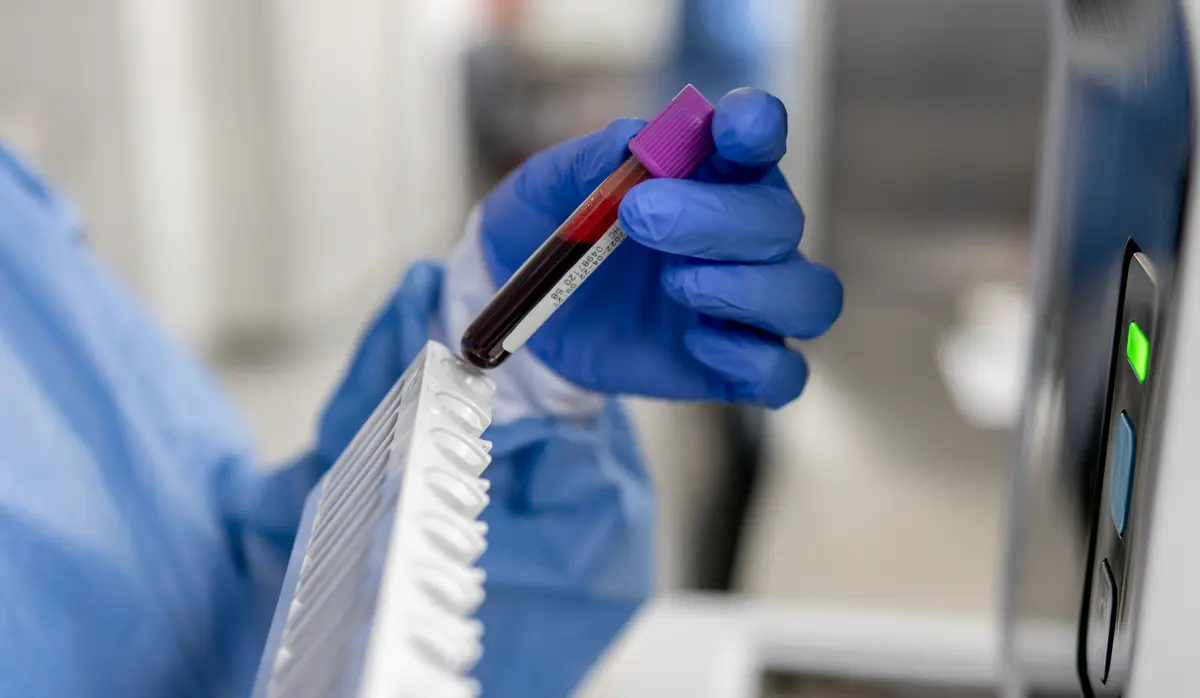
- Book a morning testosterone test between 7 and 10 a.m., after a normal night’s sleep and no hard training the day before. The Endocrine Society guideline bases the diagnosis of low testosterone on early-morning measurements, repeated. Our page on morning testosterone test timing explains why.
- Ask for SHBG and free testosterone if your total is borderline, because excess weight lowers SHBG and can make the total look worse than it is.
- Record your weight and waist at the navel, first thing in the morning.
- Keep a one-week sleep log: bedtime, wake time, how rested you feel.
- Count your drinks for a week, honestly.
- Note your symptoms: energy, libido, morning erections, mood, strength. Rate each from 1 to 10 so you can compare later.
Weeks 1 to 12: the plan
Weeks 1 to 4: build the foundation
- Sleep. Pick a fixed wake time and count back. The NHLBI says adults need 7 to 9 hours a night. Phones out of the bedroom. If you snore loudly or wake gasping, raise it with a clinician; untreated sleep apnea lowers testosterone, as our page on sleep apnea and low testosterone explains.
- Alcohol. Cut back hard. The NIAAA defines heavy drinking for men as five or more drinks on any day or 15 or more a week. If you are near that line, aim well below it, and consider an alcohol-free month.
- Strength. Start lifting two or three days a week with full-body compound moves: squats, deadlifts or hinges, presses, rows. Learn the form with light weights.
- Food. Start a modest calorie deficit built on protein, vegetables and fewer ultra-processed snacks and sugary drinks. Do not crash diet; severe restriction can lower testosterone too.
Weeks 5 to 8: progress
- Add load. Increase weight or reps a little each week. Progressive overload, not exhaustion, drives results.
- Add movement. The CDC recommends at least 150 minutes of moderate activity a week plus muscle-strengthening on two or more days. Brisk walks after meals are an easy way to get there.
- Check the scale weekly, not daily. A steady downward trend is the goal.
- Review your sleep log. If you are still under seven hours, fix the schedule before adding anything else.
A sample week at this stage might look like this:
| Day | Training | Other |
|---|---|---|
| Monday | Full-body strength | Lights out by your set time |
| Tuesday | 30-minute brisk walk | No alcohol |
| Wednesday | Full-body strength | Walk after dinner |
| Thursday | Rest or easy bike ride | No alcohol |
| Friday | Full-body strength | One or two drinks at most |
| Saturday | Long walk or hike | Weigh-in |
| Sunday | Rest | Plan the week’s meals |
Treat it as a template, not a test of perfection. Missing a session is fine; missing a month is what stalls progress.
Weeks 9 to 12: hold steady
- Keep doing what works. Consistency in these weeks is what moves the number.
- Avoid big changes in the last two weeks, such as a new extreme diet or a sudden spike in training volume, which can skew the repeat test.
- Plan the repeat draw for the end of week 12.
Week 12: the repeat test
Repeat the test under the same conditions as the first: same lab if possible, same morning time window, same fasting state, a rest day before. Our page on repeat testosterone tests explains why matching conditions matters.
Then compare three things side by side: your testosterone result, your weight and waist, and your symptom scores. If testosterone rose and symptoms improved, keep going. If weight dropped but testosterone did not move, the cause may lie elsewhere. If symptoms persist with a low repeat result, that is the time for a full evaluation. Our page comparing weight loss and TRT for low testosterone helps frame that choice.
What to watch for, and when to call
Call the clinic if you notice:
- loss of morning erections, low libido or fatigue that worsens despite the plan
- breast swelling or tenderness, or testes that seem smaller
- persistent headaches or changes in vision, which can rarely point to a pituitary problem
- joint pain or injury that stops you training
Call 911 for:
- chest pain, pressure or unusual breathlessness during exercise
- fainting, or sudden weakness or numbness on one side
If you have heart disease, high blood pressure or have been inactive for years, check with your doctor before starting heavy lifting.
How Ultimate Male fits into the 12 weeks
You can do this plan on your own, but the two blood tests that bracket it are where we come in. Our San Gabriel and Downey clinics draw morning labs on site, with results in 24 to 48 hours, and a PA-C or MD reads your baseline before you start so you know whether a lifestyle trial is the right first step. The TRT pre-screening panel covers total testosterone, estradiol, PSA and a blood count.
At week 12, the same provider compares your results and helps you decide what comes next, whether that is more of the same or an evaluation for testosterone therapy. Both tests sit within our preventative blood testing service.
