Why GLP-1 users fall behind on fluids faster
On semaglutide (Wegovy, Ozempic) or tirzepatide (Zepbound, Mounjaro), the same effects that help with weight make dehydration easier. You eat less, and a lot of daily water normally arrives with food. Many people also notice they reach for drinks less often when fullness comes early, and smaller, slower meals mean fewer natural moments to drink.
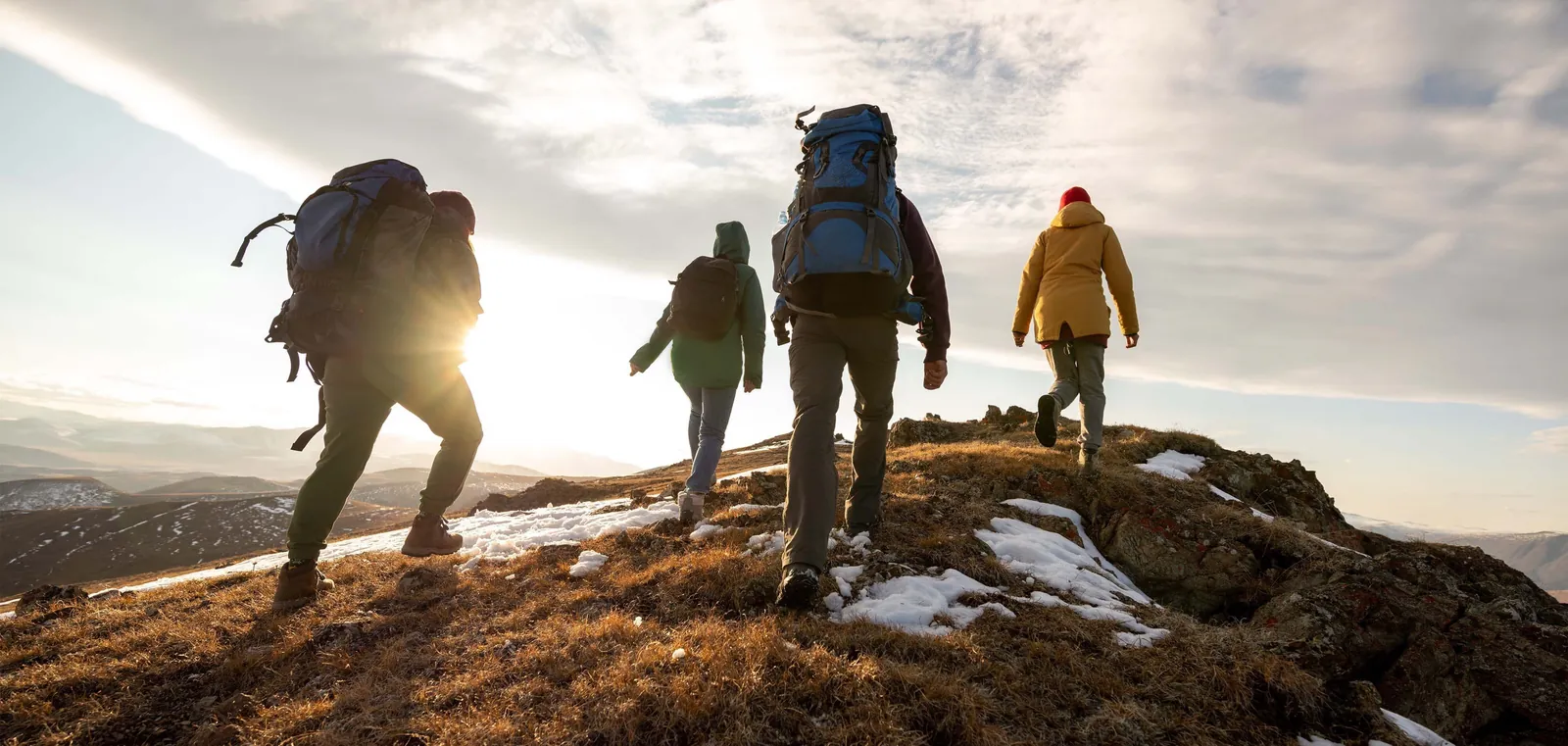
Then there are the stomach side effects. Nausea, vomiting and diarrhea are the most common reactions, especially in the first weeks and after each dose increase, and each one pulls fluid and salts out of the body. Add a 100-degree afternoon in the San Gabriel Valley or a long day working outdoors in Downey, and sweat losses stack on top.
Age matters too. MedlinePlus notes that some people lose their sense of thirst as they get older, and that people who take medicines that make them urinate or sweat more are more likely to become dehydrated. For many men over 50 on blood pressure pills, both apply.
The kidney warning on the label, explained
This is not a theoretical risk. The Wegovy label reports postmarketing cases of acute kidney injury in people on semaglutide, some severe enough to need dialysis. Most occurred in people whose nausea, vomiting or diarrhea had left them dehydrated, and the label tells clinicians to monitor kidney function in anyone with those symptoms, especially when starting or increasing the dose. The tirzepatide label carries a matching warning.
A 2025 joint advisory from four obesity and nutrition societies, published in the American Journal of Clinical Nutrition, adds that dehydration from severe nausea, vomiting or diarrhea can cause acute kidney injury with or without existing kidney disease, as well as heart palpitations. It also notes that vomiting is more likely after large meals and that alcohol can worsen nausea.
Some men carry extra risk going into summer: those with existing kidney disease, diabetes, or medicines such as diuretics and certain blood pressure drugs that affect fluid balance. Our page for men on blood pressure medicines covers how those drugs interact with heat and weight loss, and the eGFR and creatinine test is how kidney function is checked.
A hot-day routine for men on semaglutide or tirzepatide
The goal is to stay ahead of losses, because thirst is a late signal when appetite cues are muted.
- Drink on a schedule. Set a reminder to drink every hour you are awake on hot days, and more often if you are working outside.
- Start before the heat. Drink a glass or two in the morning before outdoor work, rather than trying to catch up at noon.
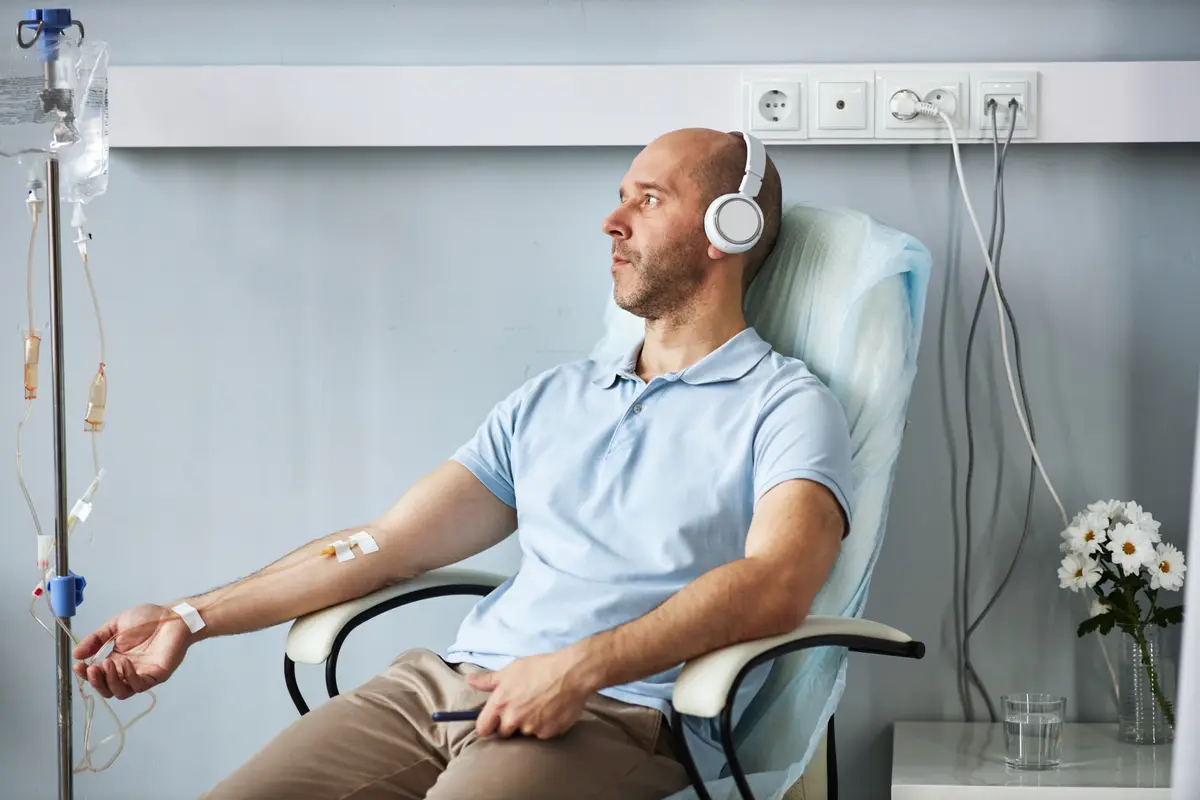
- Replace salt when you sweat heavily. Long hours in the sun call for some sodium as well as water; our comparison of IV hydration and electrolyte drinks explains the options.
- Keep meals small and light. Large, heavy meals make vomiting more likely on these medicines.
- Go easy on alcohol. Beer at a backyard barbecue adds fluid loss and nausea on top of the heat.
- Check your urine. Dark urine or going much less often than usual means you are behind.
- Schedule outdoor work early. Mornings and evenings are cooler inland than mid-afternoon.
If nausea is what keeps you from drinking, our guide on easing nausea on semaglutide has practical steps, and sipping small amounts often usually goes down better than gulping.
Warning signs that need a call to the clinic
Mild thirst, a dry mouth and darker urine usually improve with fluids and shade. Call the clinic the same day if any of these show up while you are on a GLP-1:
| Sign | What it may mean | What to do |
|---|---|---|
| Vomiting that lasts longer than 24 hours | Fluid losses you cannot replace by mouth | Call the clinic now |
| Unable to keep fluids down for several hours | Dehydration building | Call the clinic now |
| Urinating far less than usual, or very dark urine all day | Kidneys under strain | Call the clinic now |
| Dizziness when standing, unusual fatigue | Low fluid volume | Rest in a cool place, drink, call if not better |
| Belly pain that is severe or spreads to your back | Possible pancreas or gallbladder problem | Seek same-day medical care |
MedlinePlus advises contacting a provider right away for vomiting longer than 24 hours, blood in vomit, severe belly pain or signs of dehydration. Our GLP-1 warning signs guide lists more symptoms worth a call.
When it is an emergency: call 911
Some signs mean heat illness or severe dehydration has gone past what a phone call can fix. Call 911 or go to the nearest emergency room if you or someone with you has:
- confusion, slurred speech, unusual behavior, a seizure or loss of consciousness;
- a body temperature above 104°F, especially if sweating has stopped;
- fainting, a racing heartbeat or rapid breathing with signs of dehydration.
The MedlinePlus heat emergencies page lists these as signs of heat stroke, which can cause organ damage and death. While waiting for help, move the person to shade, cool the skin with wet cloths and a fan, and do not give anything by mouth if they are vomiting or not fully alert.
How Ultimate Male helps patients through the hot months
Summer check-ins on our medical weight loss program are a good time to talk about fluids, side effects and whether a planned dose increase should wait until a heat wave passes. If you have kidney concerns or take blood pressure medicines, your provider can check kidney function with an on-site draw, with results usually in 24 to 48 hours.
Timing matters as well. If you are just starting a GLP-1 in June or July, expect the first weeks and each step up in dose to be the hardest for fluids, and plan lighter outdoor commitments around them where you can. Men who work outdoors for a living should mention it at the first visit, because it can change how quickly the dose is raised.
For more on staying hydrated through inland summers in general, read our heat and hydration article. If you have already had a bout of heat exhaustion and recovered, our answer on IV hydration after heat exhaustion explains when an IV can help and when it is not the right tool.