
The checklist at a glance
Movember is a good excuse to grow a mustache, but the point is to turn a month of awareness into three concrete actions. Here is the whole list on one screen:
| Area | Who it is for | The action |
|---|---|---|
| Prostate | Men 55 to 69; earlier for higher-risk men | Have a real conversation about PSA testing and decide |
| Testicles | Mainly men in their late teens to 40s | Learn what is normal for you and check monthly if you choose |
| Mental health | Every man | Answer two screening questions honestly and act on the answer |
| Baseline labs | Men who have not had blood work in years | Book a draw so you have numbers to compare against |
Prostate: have the PSA conversation
PSA screening is a decision, not an automatic test. The U.S. Preventive Services Task Force says that for men aged 55 to 69, periodic PSA screening should be an individual choice, made after discussing the potential benefits and harms with a clinician. It describes a small potential benefit in lowering the chance of dying from prostate cancer, set against harms that include false positives, biopsies, overdiagnosis and treatment side effects such as incontinence and erectile dysfunction. It recommends against PSA screening from age 70.
Some men should start the conversation earlier. The American Cancer Society suggests the discussion begin at 50 for average-risk men, at 45 for African American men and men whose father or brother was diagnosed before 65, and at 40 for men with more than one first-degree relative diagnosed at an early age.
Questions worth bringing to that visit:
- What would my PSA number mean, and what would happen if it came back high?
- Does my family history or ancestry change when I should start?
- If I already had a PSA test, how does a new result compare with the old one?
Our page on when to start PSA screening covers timing in more depth, and the page on family history of prostate cancer explains what counts as a strong family history.
Testicles: a monthly self-check for younger men
Testicular cancer is a young man’s cancer. The USPSTF’s 2011 review calls it the most common cancer in males aged 15 to 34, while noting that it is still rare overall, and that most cases are discovered by men themselves or their partners rather than by a doctor.
The evidence on formal screening is honest about its limits. The same USPSTF statement recommends against routine testicular cancer screening of men without symptoms, by clinician exam or self-exam, because there is not enough evidence that it finds cancers at more curable stages. It also notes that it did not review men with a history of an undescended testicle, a group with higher risk. The American Cancer Society has no blanket recommendation either, but notes that some doctors recommend monthly self-exams after puberty, and that men with risk factors should seriously consider them.
The practical middle ground is body awareness. A monthly check takes a minute:
- Do it after a warm shower, when the scrotum is relaxed.
- Roll each testicle gently between your thumb and fingers.
- Notice the soft, rope-like tube at the back (the epididymis); that is normal.
- Note anything new: a hard lump, swelling, a change in size or a feeling of heaviness.
A new lump or swelling deserves a prompt medical visit, not a wait-and-see month. Sudden, severe testicular pain is different: that can be torsion, an emergency, and needs the ER right away.
Mental health: two questions worth answering
Depression screening is the one item on this list every man qualifies for. The USPSTF recommends screening all adults for depression and lists the Patient Health Questionnaire among the common tools. Its shortest version asks about the past two weeks:
- How often have you had little interest or pleasure in doing things?
- How often have you felt down, depressed or hopeless?
If the honest answer to either is “more than half the days,” that is worth raising with a clinician or a mental health professional. MedlinePlus notes that men often show depression differently: rather than sad, they may appear angry or irritable, and some medicines and medical conditions can cause symptoms that look like depression. Our page on irritability and mood swings in men covers that pattern.
If you are thinking about suicide or are worried you might act on those thoughts, call or text 988 to reach the Suicide and Crisis Lifeline, or call 911. That call is separate from any appointment and should not wait.
Baseline labs: the fourth box
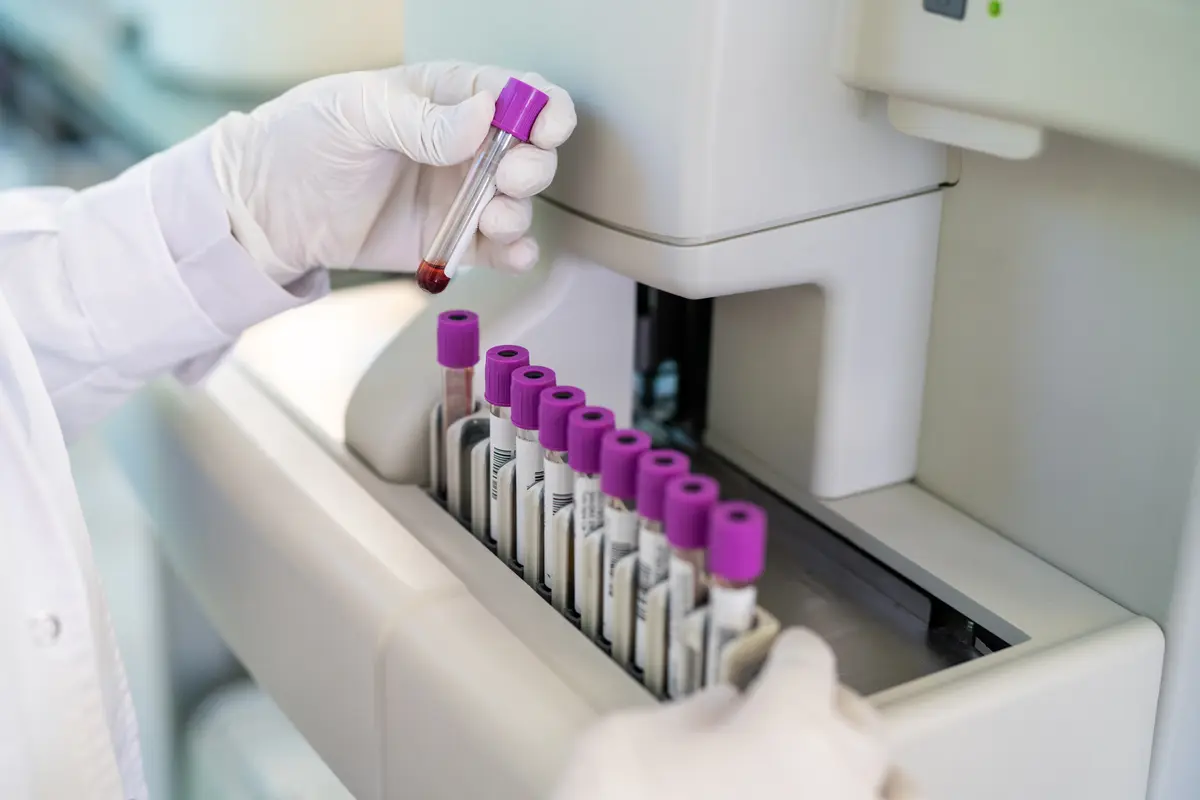
An awareness month pays off when it leaves you with numbers you can compare next year. Men who have not had blood work in years can use November for a baseline: lipids, blood sugar, kidney and liver function, blood counts and, for men with symptoms such as low energy or low libido, a morning testosterone level. Our PSA blood test page explains how PSA fits into a panel when you do decide to test.
If you have FSA money left, a November visit can also beat the year-end deadline. Our article on spending FSA dollars before year end walks through the timing, and the San Gabriel Valley screening guide lays out the full age-by-age schedule.
How Ultimate Male uses November
At Ultimate Male, preventative blood testing is the easiest way to act on this list: an on-site draw at San Gabriel or Downey, results in 24 to 48 hours, and a one-on-one review with a PA-C or MD. PSA is part of the TRT pre-screening panel, and it can be included elsewhere after the conversation above.
A visit is also a private place to bring up the questions men tend to skip, from a lump you noticed to a mood that has not lifted. The provider will tell you plainly what belongs at Ultimate Male and what should go to your primary care doctor, a urologist or a mental health professional. Start with the free 10-minute call at 626-319-5261.
