
What ALT and AST measure
ALT and AST are enzymes that sit inside cells and spill into the blood when those cells are injured. MedlinePlus describes ALT as concentrated in the liver, while AST is found in the liver, heart and muscles, which is why the two can tell different stories.
MedlinePlus gives typical ranges of 4 to 36 U/L for ALT and 8 to 33 U/L for AST, and ranges differ from lab to lab. The American College of Gastroenterology guideline sets a tighter bar, describing a truly healthy ALT as 29 to 33 IU/L in men and recommending that anything above it be assessed.
Reading the AST-to-ALT ratio
The ratio between the two enzymes often points to the source faster than either number alone. Divide AST by ALT: a result under 1 means ALT is higher, and a result of 2 means AST is double.
| Pattern | What it suggests | Typical follow-up step |
|---|---|---|
| ALT higher than AST (ratio under 1) | Fatty liver linked to weight, insulin resistance or high triglycerides | A1c, lipids, waist measurement, liver ultrasound, viral hepatitis screen |
| AST at least twice ALT (ratio 2 or more) | Alcohol-related liver injury | Honest alcohol history, GGT and MCV, a period without alcohol, then a repeat |
| High AST, modest ALT, recent hard training | Muscle rather than liver | Creatine kinase, then a repeat after several rest days |
| Ratio climbing above 1 in known fatty liver | Possible scarring (fibrosis) | Fibrosis assessment such as elastography |
A Mayo Clinic study of 140 patients found a mean ratio of 0.9 in fatty-liver inflammation (NASH) and 2.6 in alcohol-related liver disease, and concluded that a ratio of 2 or more is strongly suggestive of alcohol. In the same study, the NASH group’s mean ratio rose from 0.7 with no scarring to 1.4 with cirrhosis.
Why the ratio is a clue, not a verdict
Patterns overlap, so the ratio narrows the list rather than naming a diagnosis. A 2013 review of the De Ritis ratio notes that many people with alcohol-related liver disease have ratios below 2, and that the ratio shifts depending on how recently someone drank.
Muscle has its own timeline. The same review explains that the ratio is high right after acute muscle injury and drifts toward 1 over the following days, and it names creatine kinase as the enzyme of choice for gauging muscle breakdown. If you lift heavily, our page on high liver enzymes after lifting covers that pattern, and the creatine kinase test explains how CK confirms it.
What raises ALT and AST
MedlinePlus lists the usual causes: fatty liver, alcohol, viral hepatitis, medicines such as acetaminophen, iron overload (hemochromatosis), mononucleosis and reduced blood flow to the liver. AST alone can also rise after a heart attack, seizures, burns or strenuous exercise.
Fatty liver is a common reason for a mildly high ALT on a routine panel in men. It often travels with belly fat, high triglycerides and prediabetes; our fatty liver disease page explains how it is managed. Iron overload is less common but worth excluding, and high ferritin in men covers how it is separated from inflammation.
When high enzymes are urgent
Most raised enzymes are found by chance in men who feel fine, but some symptoms need same-day emergency care. Go to an emergency room or call 911 for yellowing of the skin or eyes with confusion or drowsiness, vomiting blood, black stools or severe pain in the upper right abdomen.
Severe muscle pain and weakness with dark, cola-colored urine after extreme exercise can signal rhabdomyolysis, which can injure the kidneys. That also calls for emergency care, not a routine lab visit.
How to prepare and what affects the result
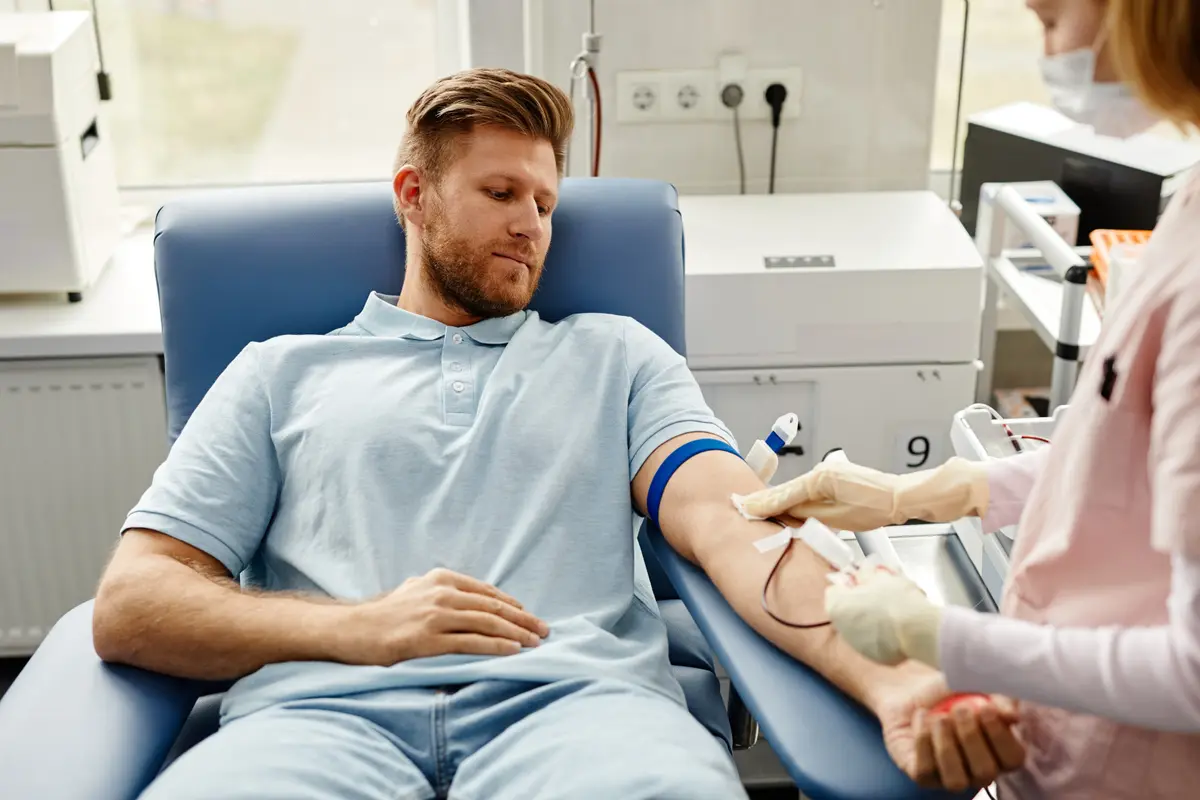
Give your liver and muscles a quiet few days before the draw. Skip heavy lifting, long runs and alcohol in the days before it, and list every medicine, supplement and pre-workout product you take, including acetaminophen.
If the first result is only mildly high, a repeat is commonly the first move before a full workup. Adding a GGT test helps separate liver from muscle, because GGT comes mainly from the liver and bile ducts rather than from muscle.
How Ultimate Male follows up on liver enzymes
Liver function testing is part of our targeted preventative panel and the liver and kidney function panel, drawn on site at San Gabriel or Downey with results in about 24 to 48 hours. When ALT or AST is high, your provider looks at the ratio, your training, drinking and supplement history, and decides which follow-up test fits the pattern.
If fatty liver is the likely cause, the conversation turns to weight, blood sugar and a recheck date. Patterns that suggest something else are referred to a gastroenterologist or hepatologist. You can see the full range of panels on our preventative blood testing page.
