
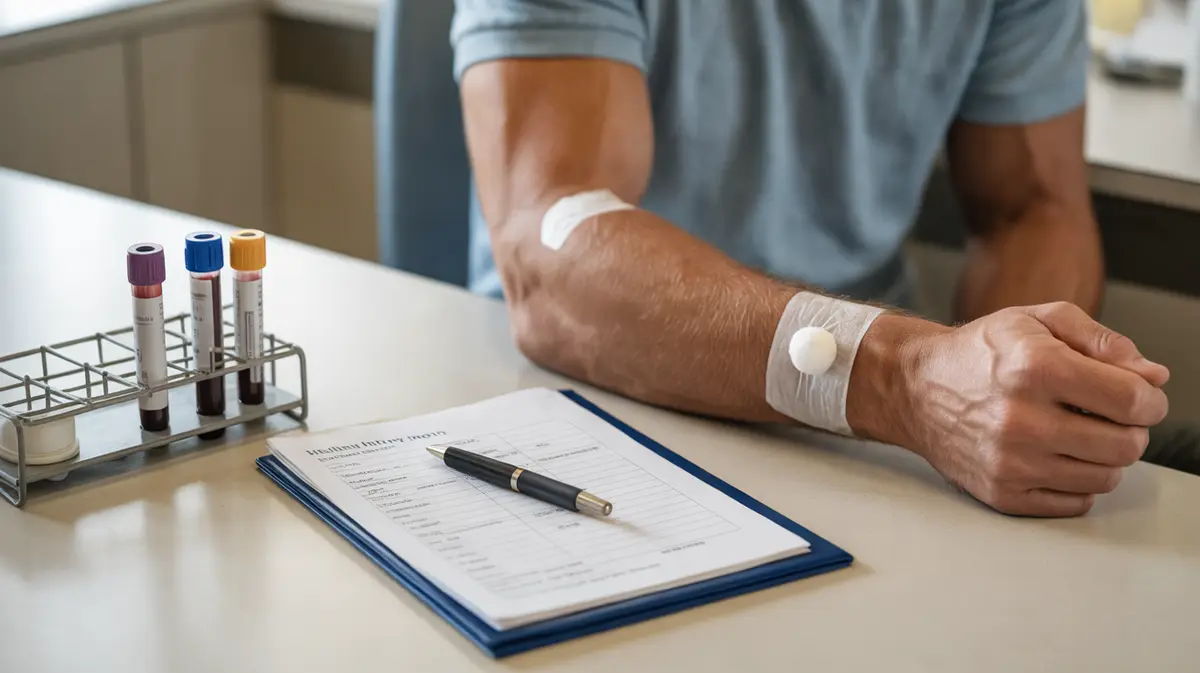
Why labs come before the first injection
GLP-1 medicines change how your body handles sugar, fluid and fat, so the starting picture matters. Testing first shows whether a weight-loss medicine is safe for you, which one fits, and which of your current medicines may need adjusting once your appetite drops. It also gives a baseline, so later results can show what actually improved.
The blood work is only half of the evaluation. A short set of history questions can rule a medicine out even when every number looks normal. Both pieces are reviewed together at your consultation, before anything is started.
The pre-GLP-1 panel at a glance
| Marker | What it shows | Why it matters before a GLP-1 |
|---|---|---|
| A1c | Average blood sugar over about three months | Separates normal, prediabetes and diabetes, which changes monitoring and drug choice |
| Fasting insulin | How hard the pancreas works to hold glucose steady | Flags insulin resistance even when A1c looks fine |
| TSH | Thyroid signal from the pituitary | An underactive thyroid can drive weight gain and fatigue |
| Kidney function (creatinine, eGFR) | How well the kidneys filter | Vomiting or diarrhea can dehydrate you and strain the kidneys |
| Lipid panel | LDL, HDL, total cholesterol, triglycerides | Sets a heart-risk baseline that weight loss often improves |
Reference ranges differ from lab to lab, so your results are read against the ranges printed on your own report.
Blood sugar: A1c and fasting insulin
A1c answers the question most men are worried about: is this prediabetes or diabetes? MedlinePlus lists below 5.7% as normal, 5.7% to 6.4% as prediabetes and 6.5% or higher as diabetes. Anemia, kidney failure and liver disease can make A1c less accurate, which is one reason the panel is read as a whole.
Fasting insulin fills a gap. Your glucose can sit in range for years while insulin climbs to keep it there. There is no universal cutoff, and reference ranges vary between laboratories, so your provider reads it next to your glucose and A1c. If you already take insulin or a sulfonylurea for diabetes, a GLP-1 can raise the risk of low blood sugar, and those doses may need to come down. Our page on the fasting insulin test explains the marker in more depth.
Thyroid and kidney checks
A high TSH usually means the thyroid is underactive. MedlinePlus lists weight gain, fatigue and feeling cold among the symptoms, and they often creep in over months. Treating an underactive thyroid will not replace a weight-loss plan, but missing it would mean treating the wrong problem.
Kidney function matters for a different reason. The most common GLP-1 side effects are nausea, vomiting and diarrhea, and fluid loss can injure the kidneys. eGFR is calculated from creatinine, and MedlinePlus notes that muscle mass, diet and some medicines all shift it. For a lifter with a lot of muscle, a borderline eGFR may call for a cystatin C test rather than a wrong conclusion. Our eGFR and creatinine page covers that nuance.
Lipids and the history questions that decide a start
A lipid panel measures LDL, HDL, total cholesterol and triglycerides, and you may be asked to fast 9 to 12 hours first. Weight loss often moves these numbers in the right direction, so a clean baseline lets you see the change. Our lipid panel for men page explains each value.
Then come the questions that can stop a start outright:
- Thyroid cancer in you or your family. The tirzepatide label carries a boxed warning based on thyroid C-cell tumors in rats and is contraindicated if you or a family member has had medullary thyroid carcinoma, or if you have MEN 2. Semaglutide carries the same restriction. Ordinary thyroid nodules or an underactive thyroid are different, and your provider will ask exactly which diagnosis it was. Our page on semaglutide and thyroid cancer risk goes deeper.
- Pancreatitis. Acute pancreatitis has been reported with these drugs. If you have had it, the cause (gallstones, alcohol, very high triglycerides) shapes whether a GLP-1 is reasonable.
- Gallbladder disease, severe stomach slowing, diabetic eye disease and upcoming surgery. Each changes the risk or the timing of a start.
How the draw and review work
- Free phone call. About 10 minutes to confirm the plan fits and to tell you whether to fast.
- Same-day draw. Blood is drawn on site at San Gabriel or Downey. Bruising or brief lightheadedness are the usual side effects, and they pass quickly.
- Results in 24 to 48 hours.
- Consultation. A PA-C or MD reviews the numbers, your history and your medicine list, and tells you plainly whether a GLP-1 is an option.
- Body composition analysis. Your fat and lean mass baseline, recorded before treatment.
Fasting for 8 to 12 hours is standard before a fasting insulin draw. Bring a list of every medicine and supplement, including biotin, which can interfere with some lab tests.
Lab results can also say no. If your thyroid, kidneys or history point elsewhere, you get that explanation and a next step rather than a start. If everything lines up, the plan moves to the tirzepatide weight loss program or a semaglutide plan.
Paying for the labs and booking
There is no insurance billing at Ultimate Male, and no published price list; you get a quote on the free call before you book. Each visit is paid when it happens, with no membership required, and longer plans can be bundled. Lab work for a diagnosed condition is a medical expense, so your itemized receipt can go to your FSA or HSA. CareCredit, Prosper Healthcare Lending and Afterpay are available if you want to spread the cost.
Ready to find out where you stand? Call 626-319-5261 or schedule your lab visit. If you already have recent results, bring them; your provider will tell you which markers, if any, still need a draw before starting medical weight loss.