
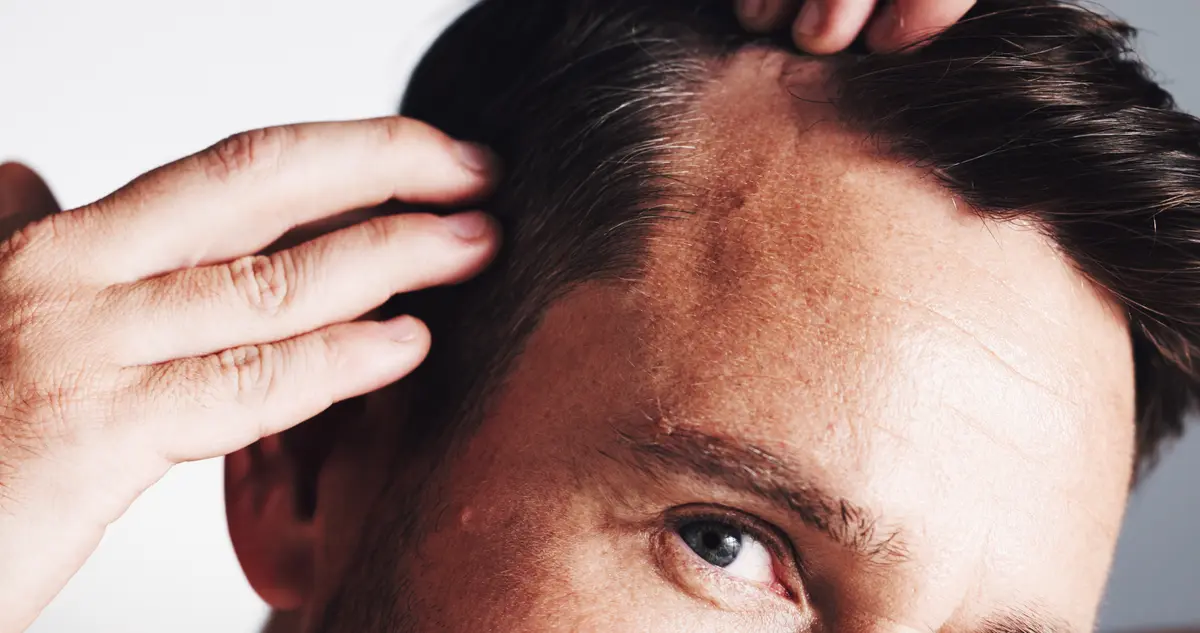
How much shedding is normal anyway?
More than most men realize. The American Academy of Dermatology says it is normal to shed between 50 and 100 hairs a day. Once you start a hair treatment, you pay closer attention to the drain and the pillow, so ordinary shedding can suddenly look alarming.
Before deciding PRP caused a shed, compare against what you were seeing before treatment. If you did not track it, start now: a rough count after a shower or a look at the same brush each morning gives the provider something to work with.
When can shedding after PRP happen?
Shedding after PRP is not well studied. A 2019 review of PRP trials found temporary pain at the injection site was the most common side effect reported and no major adverse effects, and the 2015 placebo-controlled trial reported no side effects during treatment. So if you notice more hair coming out, the explanation is more likely one of these:
| Possible reason | When it tends to show up | What it means |
|---|---|---|
| Normal daily shedding, newly noticed | Any time | Nothing has changed except your attention |
| Pattern loss still active | The first few months | PRP has not had time to work yet |
| A separate stressor (illness, fever, weight loss, surgery, heavy stress) | A few months after the event | Temporary shedding with its own cause |
| Another type of hair loss | Any time, often with patches or scalp changes | Needs a different diagnosis |
The timing matters. The AAD notes that most people with stress-related shedding notice it a few months after the stressful event. A bad flu or a stressful stretch at work two or three months before your first session can produce a shed that happens to land in the middle of your PRP series.
How long does temporary shedding last?
Shedding triggered by a stressor tends to settle as the body readjusts. The AAD says the hair usually regains its normal fullness within six to nine months, though shedding can last longer if the stressor continues.
For PRP itself, the relevant clock is the treatment timeline. The AAD’s hair loss treatment page says that within a few months PRP can help lessen hair loss, with thickening following soon after for some patients. So the expected direction over the first three to six months is less shedding, not more. Our answer on how long PRP takes to work shows the month-by-month picture.
What are the signs PRP is not working?
A temporary shed is one thing; a plan that is not working is another. These signs suggest it is time for a review:
- Shedding is still rising, not easing, three to six months after your first session
- Photos compared under the same conditions show the thinning area getting larger
- Hair is coming out in patches or breaking rather than falling from the root
- The scalp is red, scaly, painful or has pus, which MedlinePlus lists among signs that hair loss may be due to another condition
- Gains you had are fading well before your planned maintenance visit
That last point has a precedent. In the 2015 trial, four men reported progressive hair loss again 12 months or more after their last session and were retreated, which is why maintenance is part of most plans.
Related question: what happens at a plan review?
The provider compares your current photos with your baseline, asks about recent illness, weight change, stress and new medicines, and may order labs. Iron, thyroid and vitamin D levels are often checked when shedding is unexplained; our page on blood tests for hair loss explains what is usually checked, and sudden hair shedding in men covers other triggers.
Depending on what turns up, the plan might stay the same, add a medicine, change the session spacing, or stop PRP if it is not helping.
How Ultimate Male handles shedding concerns
If you are mid-series at our San Gabriel or Downey clinic and notice more hair coming out, call rather than waiting for your next visit. The provider can review your photos, ask about recent triggers and tell you whether what you are seeing fits a normal pattern.
Every hair restoration plan includes baseline photos so these questions can be answered with a comparison, not guesswork. If PRP is not the right fit after all, you will hear that directly, along with what else might help. The PRP hair aftercare guide covers the first few days after each session.
