
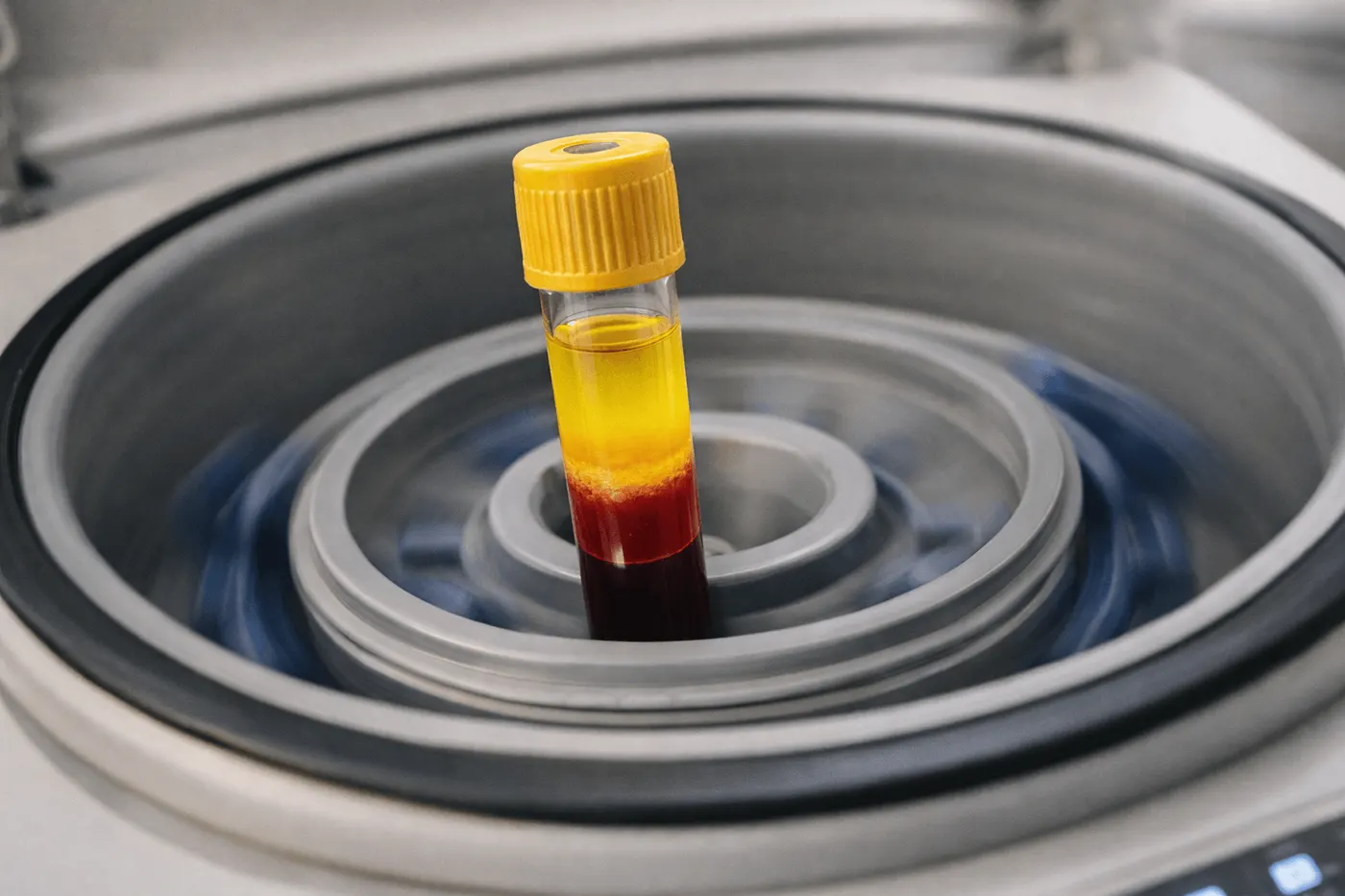
What labs do you need before starting TRT?
You need more than a single testosterone number: a confirmed diagnosis plus baseline safety labs. If you are thinking about starting TRT, one of the smartest questions you can ask is not “What treatment should I take?” It is “Were the right labs run first?”
That matters because one low number, a short visit or a vague conversation about fatigue is not enough to base years of treatment on. At Ultimate Male, we believe TRT lab work should explain the full picture before treatment starts. For men in San Gabriel and Downey, that means looking deeper than a single total testosterone result and building a plan around symptoms, hormone context and long-term monitoring.
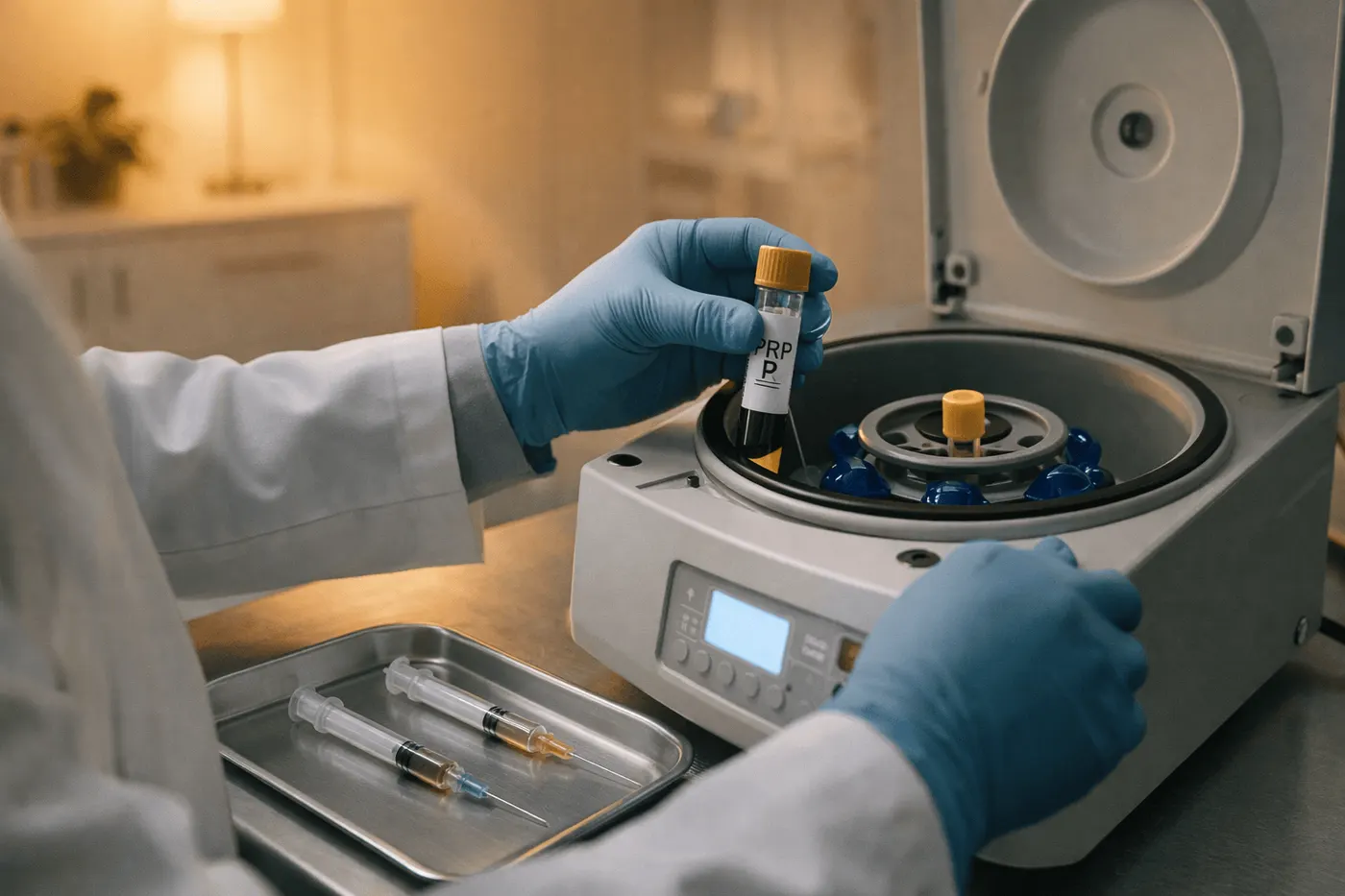
What is TRT lab work?
TRT lab work is the blood testing used to decide whether testosterone therapy makes sense and how treatment should be monitored safely over time. Good TRT lab work does not just ask whether testosterone is low. It helps answer why you feel the way you do, whether testosterone is actually the issue, and what else could affect your plan.
That is what separates a thoughtful hormone evaluation from simply starting treatment.
Why one testosterone number is not enough
A single number can mislead. Testosterone runs highest in the morning and varies from day to day, which is why the AUA guideline says low testosterone should be diagnosed only after two total testosterone measurements, both taken early in the morning, and treats a level below 300 ng/dL as a reasonable cutoff.
Some men come in exhausted, flat, unfocused and frustrated, but their problem is not as simple as one low value. Others have a borderline number, and the real question is whether their symptoms, recovery, sleep, body composition, libido and overall health support a TRT discussion at all. That is why a sound evaluation looks at the full story. If treatment is being discussed after only one result, it is fair to ask for a repeat test first; our page on morning testosterone test timing explains why the draw time matters.

What labs are commonly reviewed before starting TRT?
A thorough TRT evaluation usually covers confirmation of low testosterone, the reason for it, and baseline safety markers. The exact panel depends on you, but it often goes well beyond total testosterone.
| Lab | Why it matters | In our TRT pre-screening panel? |
|---|---|---|
| Total testosterone, repeated in the morning | Confirms low testosterone | Yes |
| Free testosterone and SHBG | Clarifies a borderline total or unusual SHBG | Added when needed |
| LH and FSH | Show whether the testes or the pituitary signal is the issue | Added when needed |
| Prolactin | Checked when LH is low or normal | Added when needed |
| Estradiol | Baseline before therapy; key with breast symptoms | Yes |
| Complete blood count | Baseline hemoglobin and hematocrit | Yes |
| PSA | Prostate baseline in men over 40 | Yes |
| Glucose, A1C, lipids, thyroid | Overlapping causes of fatigue and weight gain | In broader panels |
The AUA recommends measuring LH in every man with low testosterone, prolactin when LH is low or low-normal, estradiol in men with breast symptoms, hemoglobin and hematocrit before therapy, and PSA in men over 40 before treatment begins. MedlinePlus notes that samples are drawn between 7 and 10 a.m., when levels typically peak, and that a free testosterone test, which measures only the unattached hormone, can help with certain diagnoses. Our page on the free testosterone test explains when it changes the decision.
The point is not to turn lab work into a shopping list. The point is to find out whether TRT is the right conversation and to start with better context.
Why CBC and baseline monitoring matter
One easy mistake in TRT planning is focusing only on hormone numbers and skipping baseline safety labs. Testosterone can raise red blood cell production, and a hematocrit test measures the share of your blood made of red cells. The AUA guideline says to consider holding therapy if hematocrit is above 50% before starting, and that a level of 54% or higher on treatment calls for action. Our hematocrit guide for men explains what those numbers mean.
A PSA baseline works the same way. The PSA test can read high from an enlarged prostate, prostatitis or a urinary infection as well as cancer, so a starting value gives later results something to be compared against.
What should a TRT evaluation in San Gabriel look for?
It should look at your symptoms and health as closely as your numbers. A careful evaluation asks more than “Do you want testosterone?” It asks which symptoms bother you most, how long they have been happening, what your sleep and recovery look like, and whether other health factors need to be checked first, such as sleep apnea, medicines or weight.
Good TRT lab work is not just a panel. It is a decision tool. The Endocrine Society guideline also asks clinicians to look for reversible causes of low testosterone before starting therapy.
If you are wondering whether your current blood work is enough, book a consultation with Ultimate Male in San Gabriel and have your symptoms, labs and TRT options reviewed with more context.

What happens after the initial TRT lab review?
If the workup supports a TRT discussion, the next step is a personalized treatment conversation. That means reviewing symptoms, lab patterns, treatment goals, fertility plans when relevant, follow-up expectations and how monitoring will be handled once testosterone therapy starts.
Good care does not stop at starting TRT. It keeps the plan monitored, adjusted and tied to how you actually feel.
Questions to ask about any TRT evaluation
Fast and simple is not always better with hormone treatment. Before committing anywhere, ask:
- Was my testosterone confirmed with two morning tests?
- Which other labs were checked, and why?
- How often will labs be repeated once treatment starts?
- Who reviews the results with me, and when?
- Does this feel like a medical evaluation rather than a package sale?
Why this matters for long-term TRT success
TRT is not just about starting a medicine. It is about a plan that supports energy, libido, body composition, focus and long-term health without turning follow-up into guesswork. The labs you start with shape the quality of everything that comes next.
Get your labs reviewed at Ultimate Male
If you are researching TRT lab work and want to know whether your current testing is enough, start with a free 10-minute phone call. Our preventative blood testing is drawn on site at San Gabriel and Downey, usually with results in 24 to 48 hours, and the TRT pre-screening panel is bundled with your first consultation.

A PA-C or MD then goes through every value with you and adds markers if your symptoms call for them. We help men get clear answers before treatment starts, not after problems show up. Book your consultation to get started.