

Tired all the time, even after a full night’s sleep?
Constant tiredness after 35 is common, and low testosterone is one possible reason, not the only one. You sleep seven or eight hours, you drink your coffee and you push through work every day, yet you still feel:
- exhausted in the morning
- mentally drained by afternoon
- unmotivated to train
- irritable at home
- disconnected from your old self
For many men over 35, this is not “just aging.” It may be low testosterone, or one of several other treatable problems. At Ultimate Male, ongoing fatigue is one of the most common reasons men book a consultation, and testing usually shows whether hormones are part of the picture.
Low testosterone doesn’t just affect libido
Testosterone is tied to energy, mood and focus as well as sex drive and muscle. Most men associate it with muscle, sex drive and gym performance, but the Endocrine Society lists reduced energy, irritability, trouble concentrating and depressed mood among the symptoms of low testosterone. The AUA guideline adds reduced motivation, poorer endurance and diminished work performance.
The difference between “tired” and hormonal fatigue
Ordinary tiredness improves with rest, weekends, vacations and sleep. Fatigue with a medical cause, low testosterone among them, often does not, and it tends to come with other signs:
- waking up exhausted
- brain fog
- needing caffeine to function
- low drive despite adequate sleep
- poor recovery after workouts
- reduced motivation
- afternoon crashes
- lower stress tolerance
Many men put it simply: they do not feel like themselves anymore. The AUA notes that fatigue, especially in the afternoon, may be associated with low testosterone, but it is a non-specific symptom with many other possible causes. That is why the next two sections matter as much as this one.
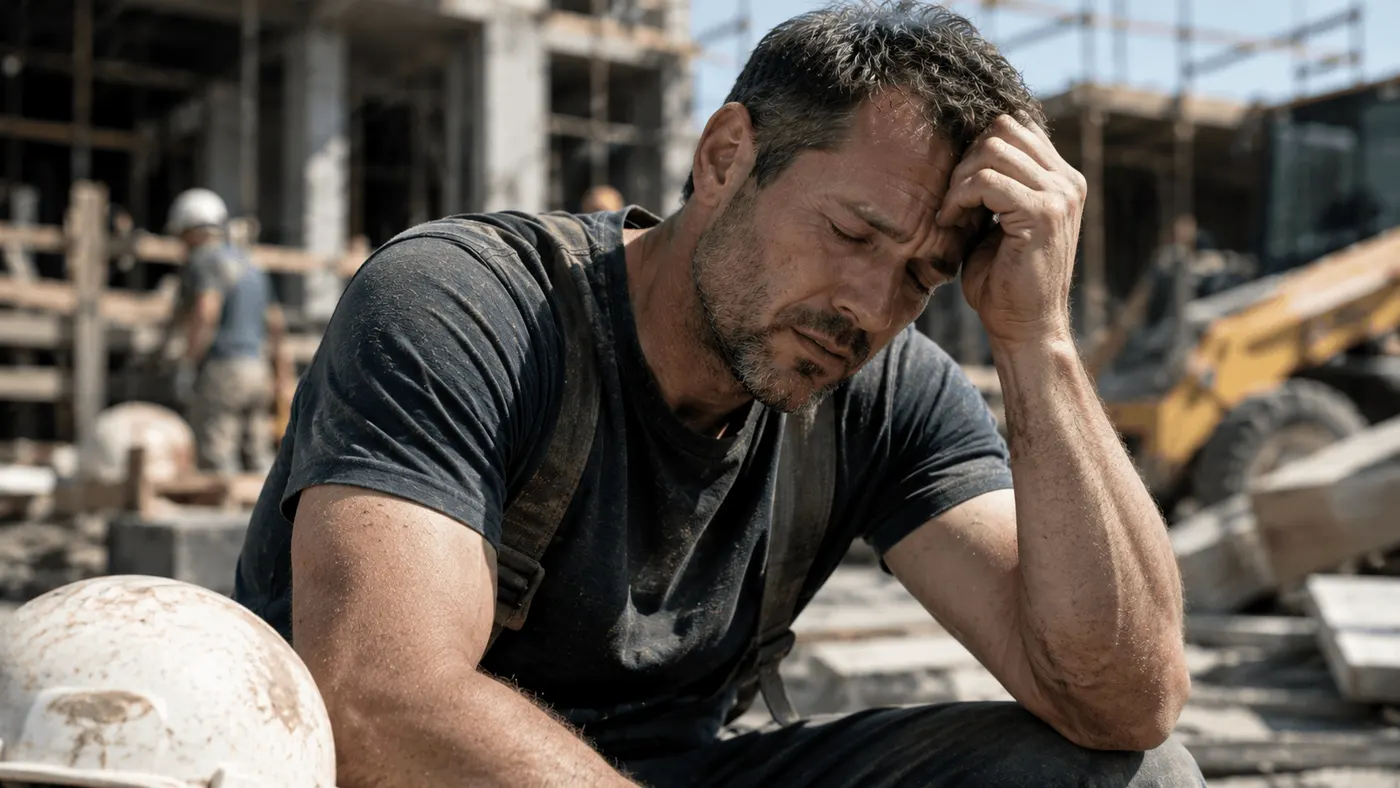
Why testosterone levels decline
Testosterone drifts down gradually with age, and several health factors can push it lower. The Endocrine Society names obesity, sleep disorders, type 2 diabetes, and medicines such as opioid painkillers and corticosteroids among the causes. Other contributors men often recognize in themselves include:
- chronic stress and poor sleep
- excess weight, particularly around the waist
- heavy drinking
- insulin resistance
- long sedentary workdays
- untreated sleep apnea
Some men notice symptoms as early as their 30s. In its July 2026 statement on testosterone therapy, the Endocrine Society says reversible contributors such as obesity and certain medicines should be addressed first, and that weight loss is typically first-line treatment when low testosterone is linked to obesity with no other cause. Our page on sleep apnea and low testosterone explains one of the most overlooked links.
How TRT may help energy
When low testosterone is confirmed, TRT may improve mood, drive and how you feel day to day, but the evidence on energy itself is mixed. The AUA guideline tells clinicians to inform patients that the evidence is inconclusive on whether testosterone therapy improves energy, fatigue or quality of life. In the Testosterone Trials of older men with low testosterone, treatment did not significantly improve vitality scores, although men reported slightly better mood and fewer depressive symptoms.
Men with confirmed low testosterone who start testosterone therapy may notice:
- steadier daily energy
- better focus and concentration
- improved gym recovery
- more motivation
- better mood and confidence
Timelines vary. The AUA advises discussing whether to stop if, three to six months in, testosterone has reached normal levels but symptoms have not improved. The goal is not “hyped up” energy. The goal is feeling normal again.
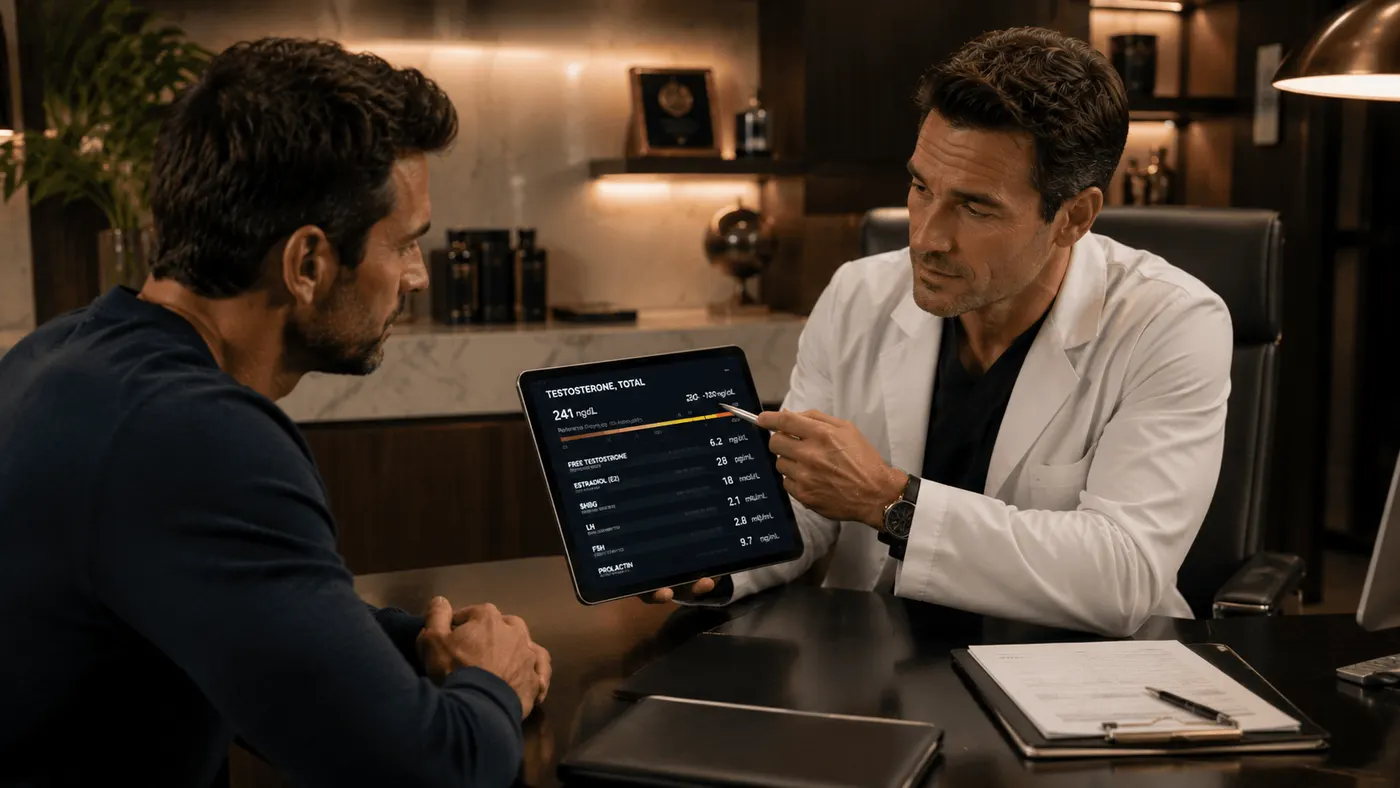
What a thorough fatigue workup checks
Good fatigue care looks beyond testosterone, because energy depends on more than one hormone. Before any treatment, a careful evaluation checks:
- Testosterone, on two early-morning draws, with free testosterone and SHBG when needed
- Estradiol balance, which matters once treatment starts
- Thyroid function, since an underactive thyroid causes fatigue and weight gain (TSH test)
- Sleep quality, because untreated sleep apnea leaves men tired despite a full night in bed
- Hematocrit and iron, through a complete blood count and iron studies
- Cortisol, blood sugar and other metabolic markers
- Cardiovascular risk, including blood pressure and lipids
At Ultimate Male, that evaluation shapes everything that follows. We focus on individualized dosing, detailed bloodwork, symptom tracking and long-term safety, because energy is influenced by more than testosterone alone. Our guide to blood tests for fatigue in men lists each marker and what it can reveal.

TRT is not one-size-fits-all
Treatment is tailored to your symptoms, labs, schedule, lifestyle and goals. When low testosterone is confirmed, options may include:
- testosterone injections
- oral TRT (Kyzatrex)
- HCG (Pregnyl), which supports your own production and fertility
- testosterone pellets
- lifestyle changes for sleep, weight, training and alcohol
Your provider sets the dose and adjusts it as follow-up labs come back. If the workup points somewhere else, the plan follows that cause instead, whether that is a sleep study referral, thyroid treatment or a weight-loss program.
Ready to find out what’s causing your fatigue?
If you constantly feel drained, foggy or unmotivated, testing is the fastest way to stop guessing. A free 10-minute phone call comes first, then same-day labs at our San Gabriel or Downey clinic, then a one-on-one review of the results with a PA-C or MD.
Some men leave with a TRT plan, others with a clear answer about sleep, thyroid or iron, and both outcomes beat another year of pushing through. Call 626-319-5261 or book your fatigue and hormone consultation to start.