
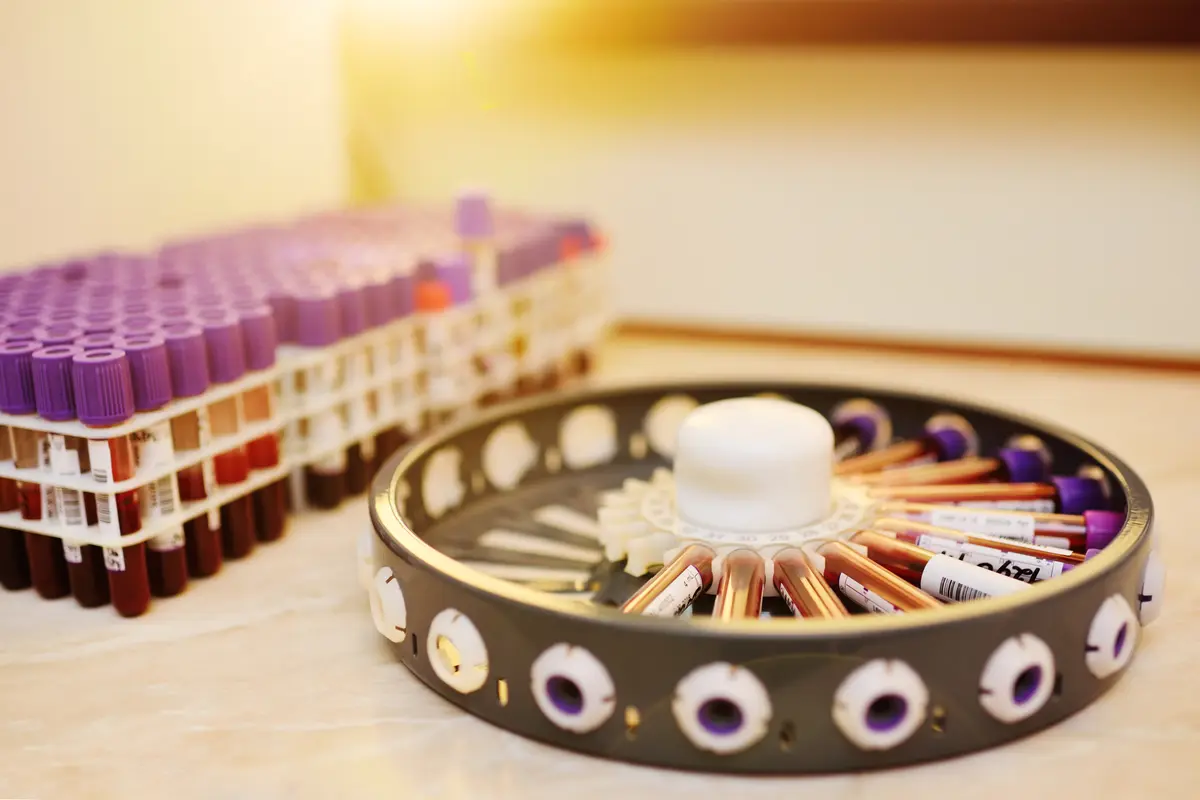
Which blood tests come before the first dose?
Most baseline workups before semaglutide or tirzepatide cover four areas, each chosen because a result could change the plan:
| Test | What it tells your provider | A result that changes the plan |
|---|---|---|
| A1c | Average blood sugar over about three months | 6.5% or higher points to diabetes |
| Fasting glucose | Blood sugar after at least 8 hours without food | 126 mg/dL or higher points to diabetes |
| Lipid panel | Cholesterol and triglycerides | Triglycerides above 500 mg/dL, which raise pancreatitis risk |
| Kidney and liver function | Filtration, creatinine and liver enzymes | Reduced kidney function or raised enzymes need a cause and closer follow-up |
The thresholds come from the NIDDK, which also places prediabetes at an A1c of 5.7% to 6.4% or a fasting glucose of 100 to 125 mg/dL. The triglyceride cutoff comes from the NHLBI, which warns that levels above 500 mg/dL can raise the risk of acute pancreatitis. Reference ranges on your own report may differ slightly by lab. Our page on blood work before semaglutide or tirzepatide explains each marker in more depth.
Why check fasting glucose as well as A1c?
Because each test can miss what the other catches. A1c averages the past few months, while fasting glucose captures a single morning, and the NIDDK notes that A1c may not be accurate in people with certain types of anemia or blood problems, and that hemoglobin variants can interfere with some methods.
The result matters for safety, not just labels. The Wegovy label warns that combining semaglutide with insulin or a sulfonylurea-type medicine raises the risk of low blood sugar, and that men with type 2 diabetes and a history of diabetic eye disease should be monitored. Finding diabetes before the first dose lets those medicines be reviewed by the clinician who manages them. Our page on the fasting glucose test covers that marker.
Which history questions matter as much as the labs?
Two questions outrank any blood result. First, the Wegovy label makes semaglutide off-limits for anyone with a personal or family history of medullary thyroid carcinoma or with multiple endocrine neoplasia type 2, because the drug caused thyroid C-cell tumors in rodents. No blood test screens for that risk, so the answer has to come from you and your family history. Our answer on semaglutide and thyroid cancer risk explains what the animal findings mean.
Second, pancreatitis. Acute pancreatitis, including severe forms, has been seen with GLP-1 medicines, and the label says to stop the drug if it is suspected. MedlinePlus asks people to say whether they have ever had pancreatitis, diabetic retinopathy, severe stomach problems such as gastroparesis, gallbladder disease or kidney disease. The label also reports gallstones in 1.6% of adults on Wegovy injections versus 0.7% on placebo in weight-loss trials, so past gallbladder trouble belongs in the conversation too. Our answer on who should not take semaglutide lists the rest.
Do I need to fast for these labs?
For most of this workup, yes. Fasting glucose by definition needs at least 8 hours without food, and Ultimate Male asks for 10 to 12 hours of fasting, water only, before its comprehensive and cardiovascular panels. Keep taking your regular medicines unless the clinician who manages them says otherwise. Our answer on fasting before blood work sorts which markers need it.
Related question: will these labs be repeated after I start?
Usually, yes. Weight loss tends to move A1c, lipids and liver enzymes, and repeat results show what has improved and whether other medicines need adjusting. Kidney function is worth rechecking if you have significant nausea, vomiting or diarrhea, since the label links dehydration from those side effects to kidney injury.
Getting baseline labs at Ultimate Male
At our San Gabriel and Downey clinics, labs are drawn on site, usually with results in 24 to 48 hours, and every panel includes a one-on-one review with your provider. For many men the comprehensive panel covers the core of a pre-GLP-1 workup in a single draw; our preventative blood testing page lists what each panel includes.
If the numbers and your history point toward treatment, the next conversation is about lab testing before medical weight loss and the rest of the program. Start with the free 10-minute call.