
Is the cleared pigment gone for good?
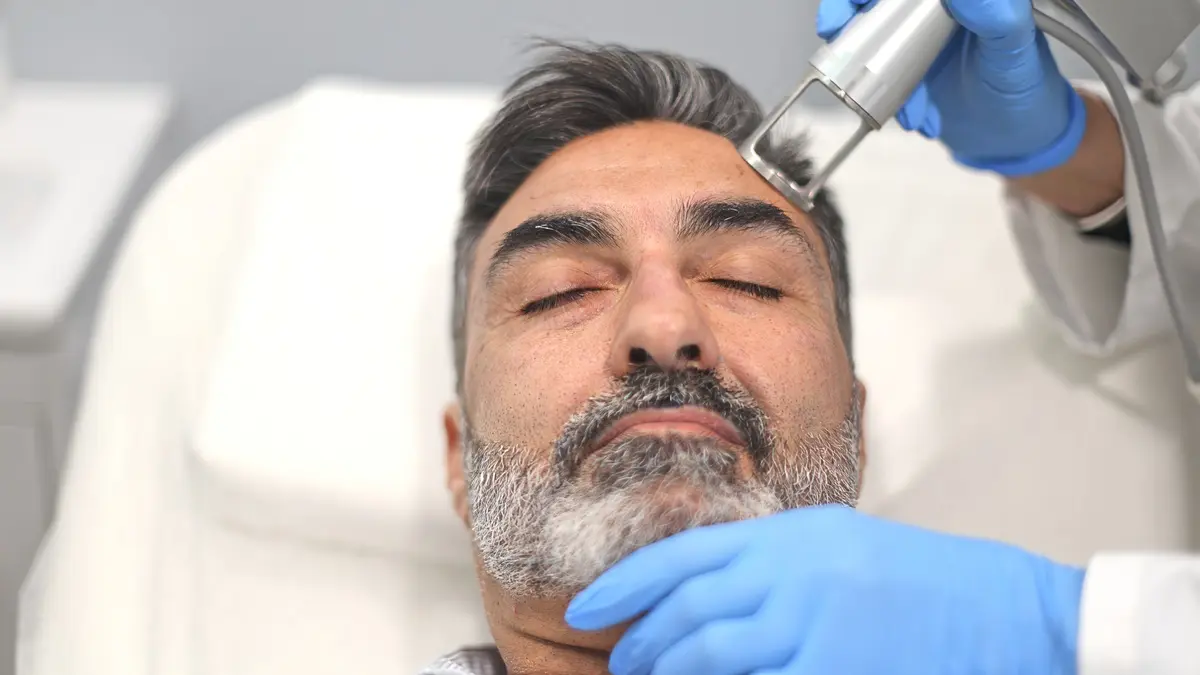
Yes, the pigment that is broken up and cleared does not come back by itself. PicoSure Pro aims a 755 nm laser at the pigment in a spot, a wavelength the FDA cleared in 2021 for removing benign pigmented lesions. The pigment shatters into fine particles, and your body’s cleanup cells carry them away over the following weeks.
Two things can make it look as if a spot has returned. First, a spot that was only partly cleared still has pigment left, which is why some spots need a second session. Second, new pigment can form in the same patch of skin if it keeps getting sun. The American Academy of Dermatology is direct about it: no matter which treatment you choose, age spots can return, and protecting your skin from the sun helps prevent that.
Why do new sun spots keep appearing?
A sun spot is a record of years of ultraviolet light. The skin that made it is still on your cheekbones, forehead, scalp and the backs of your hands, still getting the same exposure on the drive to work, at the job site and on the golf course. Clearing old spots does nothing to change that.
Gray days do not give you a pass either. The EPA explains that clouds reduce UV only partly: scattered clouds let through about 89%, broken clouds about 73% and even overcast skies about 31%. UV also rises about 6% for every kilometer of elevation, which matters on a weekend hike in the mountains.
How does daily SPF protect the result?
Sunscreen is the maintenance plan. The AAD recommends a broad-spectrum sunscreen with an SPF of at least 30, which blocks 97% of UVB rays, applied every day to skin not covered by clothing when you will be outside, and reapplied about every two hours outdoors.
For most men, the hard part is the habit, not the product. A routine that sticks looks something like this:
| Habit | What it protects |
|---|---|
| Moisturizer with SPF 30 or higher after shaving | Face, ears and neck every morning |
| Sunscreen stick in the truck, desk or gym bag | Midday reapplication and the backs of the hands |
| Brimmed hat outdoors | Forehead, scalp line and temples, where spots cluster |
| Sunglasses | The thin skin around the eyes |
| Shade during midday breaks | Overall exposure on work sites and at weekend games |
A tinted sunscreen with iron oxide adds protection from visible light, which can matter for men with medium or darker skin.
What else can bring dark spots back?
Sometimes what looks like a returning sun spot is something else. Melasma, which forms blotchy patches on both cheeks, clears more slowly and comes back far more readily than ordinary sun spots, and it needs a different plan; our answer on PicoSure sessions for melasma explains why. A rebound dark mark after sun exposure during healing can also look like a spot that never left.
And some spots should not be lasered again without a second look. A spot that is growing, changing color, itching or bleeding needs a dermatology check first, and our answer on whether sun spots can turn into cancer lists the warning signs.
How long do results last in practice?
As long as the treated skin stays protected. There is no fixed lifespan for a result, because how quickly new spots appear depends on how much sun you get, your skin type and your daily habits. Men who work outdoors tend to need touch-ups more often than men who work indoors and wear sunscreen every day, simply because their skin keeps collecting more UV.
How Ultimate Male protects your result
At Ultimate Male, a PicoSure Pro plan includes the aftercare, not just the laser. You leave with sunscreen already on, written instructions, and a follow-up to check how each spot cleared and whether any needs a second pass. If you have many scattered spots and rough sun-damaged texture rather than a few distinct ones, we may suggest a different tool, and our answer on choosing a VI Peel or PicoSure for sun spots explains the choice.
You can read how a session runs on our PicoSure Pro for sun spots page. When you are ready, book through our aesthetics team at San Gabriel or Downey, or call 626-319-5261 for the free 10-minute conversation.
