

Why do some men feel no better after months on TRT?
Often the way treatment was set up and followed is the problem, not testosterone itself. Many men only realize a plan is not working after they have already:
- spent months on treatment,
- paid for medication and visits,
- followed instructions exactly.
And yet they still feel tired, inconsistent, mentally off and frustrated with results. At that point the question is no longer “Does TRT work?” It becomes “Why isn’t it working for me?” In many of those cases, the answer lies in how closely the plan was monitored and adjusted.
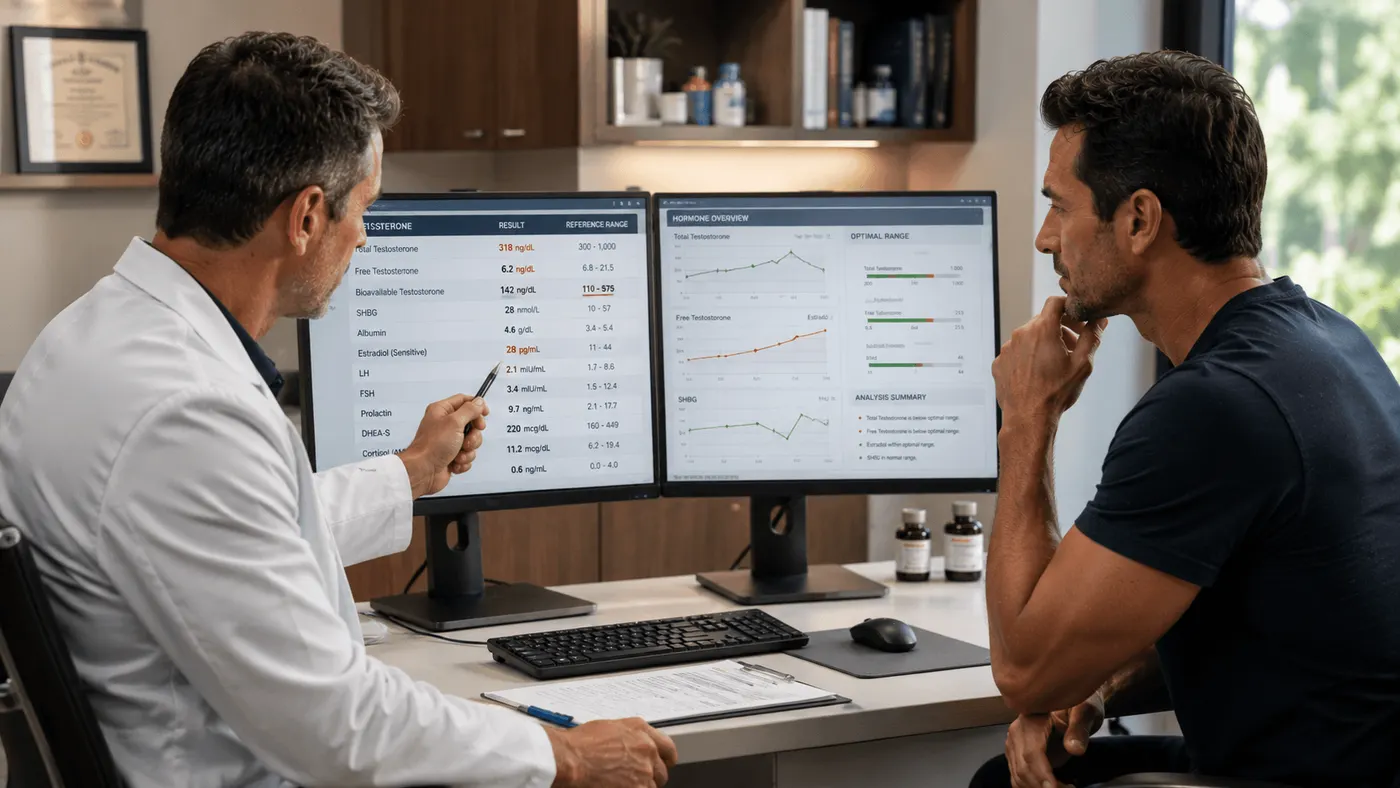
If you are considering TRT, choosing a clinic carefully from the start can save you months of frustration. You can book a consultation at Ultimate Male in San Gabriel or Downey, or call 626-319-5261, and get a plan built around your own labs from day one.
Not all TRT clinics work the same way
Care models differ, even when the first visit looks similar. On the surface, many programs share the same steps: a consultation, a starting dose and some follow-up. What happens after that is what separates steady results from disappointment.
Some programs are built around a standard starting dose, a narrow lab panel and occasional check-ins. Others build in fuller labs, scheduled rechecks and dose changes. A standard protocol can raise your testosterone level, but a higher number on its own does not mean you will feel better.
Where expectations go wrong
Many men assume that if testosterone goes up, they should feel better. In practice, how you feel also depends on:
- the dosing strategy,
- injection frequency,
- estradiol balance,
- overall health markers such as red blood cells and blood pressure,
- how your body actually responds.
The AUA guideline recommends adjusting the dose to land total testosterone in the middle of the normal range, which its panel describes as 450 to 600 ng/dL, using the smallest dose that gets there. Without that kind of monitoring and adjustment, TRT becomes guesswork.
What should a high-quality TRT clinic actually do?
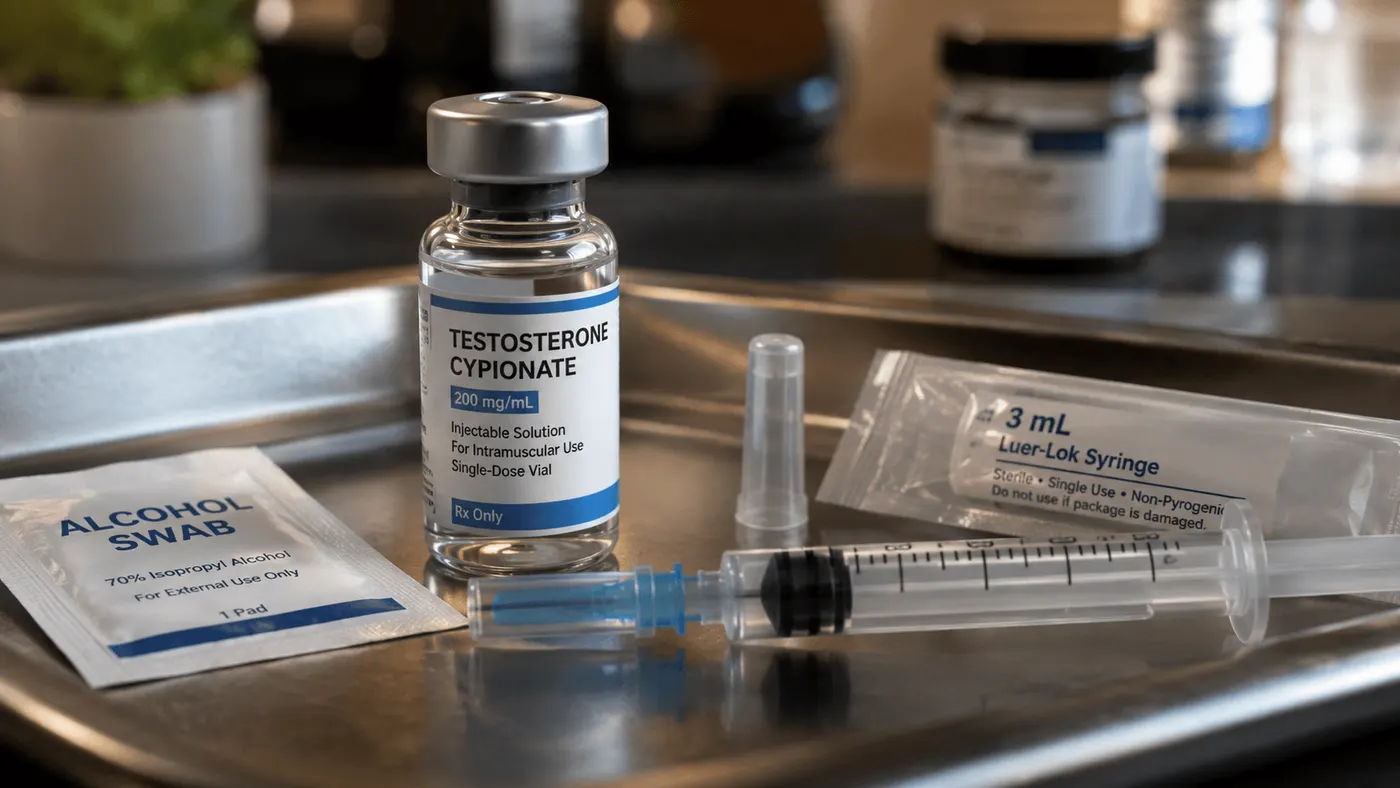
It should confirm the diagnosis, check your baseline health and keep checking once treatment starts. A sound TRT program includes:
- comprehensive baseline labs, starting with two early-morning testosterone tests,
- ongoing monitoring rather than a single yearly check,
- adjustments guided by symptoms as well as numbers,
- personalized dosing and scheduling,
- estradiol checked when symptoms or labs call for it, without reflexive blocking,
- blood pressure checks, since the FDA added class-wide blood pressure warnings to testosterone labels in 2025,
- fertility-conscious options when you want children now or later.
The Endocrine Society guideline asks clinicians to see patients 3 to 6 months after starting and then yearly, checking testosterone, hematocrit and, in the right age groups, PSA. Our post on what labs you need before starting TRT goes through the baseline panel in detail.
A clinic that listens to how you feel, not just what your labs say
Numbers guide the plan, but your symptoms tell you whether it is working. A good visit leaves time to talk about sleep, energy, libido, mood and training, then ties those back to your results.
Licensed clinicians you can verify
In California you can look up any physician’s or physician assistant’s license on the Department of Consumer Affairs license search. It takes a minute and shows whether the license is current and whether there is any public discipline.
What makes Ultimate Male different?
Our focus is precision and follow-through. Your care is led by a PA-C or MD who reviews your labs with you, and we customize:
- your TRT delivery method: injectable testosterone, oral Kyzatrex, Pellecome pellets or HCG (Pregnyl), which supports your own production,
- injection frequency, to keep levels steadier,
- full lab interpretation, not just testosterone,
- ongoing adjustments based on symptoms, labs and performance.
The goal is not simply a higher number. It is steadier energy, sharper focus, a healthier libido and better physical and mental performance. That is the difference between being on TRT and being well managed on it. Schedule a consultation to see what a closely managed protocol looks like on our testosterone therapy page.

Signs your current TRT plan needs a closer look
You can often feel when a plan is off. It may be time to ask questions if:
- your protocol has not changed in months even though symptoms persist,
- you feel great for a few days, then crash before the next dose,
- no one explains your lab results clearly,
- estradiol is ignored, or lowered so far that you feel worse,
- hematocrit or blood pressure has not been checked since you started,
- your symptoms are not improving.
These are worth raising with your current clinician first. If you decide to move, our guide to switching TRT clinics without a gap explains how to bring your records and keep treatment steady.
What should well-managed TRT feel like?
It should feel stable, not extreme. Over the first months, you should expect:
- more consistent energy from morning to night,
- improved mental clarity,
- stronger libido,
- better recovery,
- more confidence in daily life.
What it should not bring is spikes and crashes, unpredictable mood swings or improvements that fade after a few days.
You are not stuck, you may just need adjustments
Many men decide TRT “doesn’t work” for them. Sometimes the protocol was never fitted to them; sometimes the symptoms come from something testosterone does not treat, such as sleep apnea, thyroid disease or low iron. Our article on why TRT might not be working walks through the usual causes. Once the real cause is found and the plan changes, improvement usually follows over the next few weeks to months.
Ready to choose a TRT clinic?
If you are starting TRT, or not getting results where you are now, a fresh evaluation is a reasonable next step. At Ultimate Male it begins with a free 10-minute phone call, then on-site blood work at San Gabriel or Downey with results in 24 to 48 hours, then a one-on-one consultation to go through what the numbers mean.

If you already have a plan elsewhere, we can review it through our TRT transfer of care process rather than starting from zero. A consultation is an evaluation first: you leave with a clear explanation of your results and options, whether or not treatment changes. Call 626-319-5261 or book your consultation online.