

How low T impacts erections
Low testosterone mainly affects erections through desire, arousal and energy, and less through the mechanics of blood flow. That is why fixing low T can help some men a great deal and others only a little.
- Libido and arousal. Low T dampens sexual desire and the mental drive that starts an erection.
- Erection quality. Fewer nighttime and morning erections are a classic sign of low testosterone, and the AUA testosterone guideline notes that men with ED and low T who start treatment often notice better nighttime erections and find erections easier to get.
- Mood and energy. Fatigue and low mood make it harder to initiate sex and stay engaged.
ED has many causes, including vascular disease, diabetes, medicines, sleep apnea and stress, so we assess the whole picture rather than testosterone alone. The AUA erectile dysfunction guideline recommends a morning total testosterone for every man with ED and treats ED as a risk marker for heart disease. Our page on blood tests for erectile dysfunction lists what a full workup includes.
Who may benefit from TRT for ED
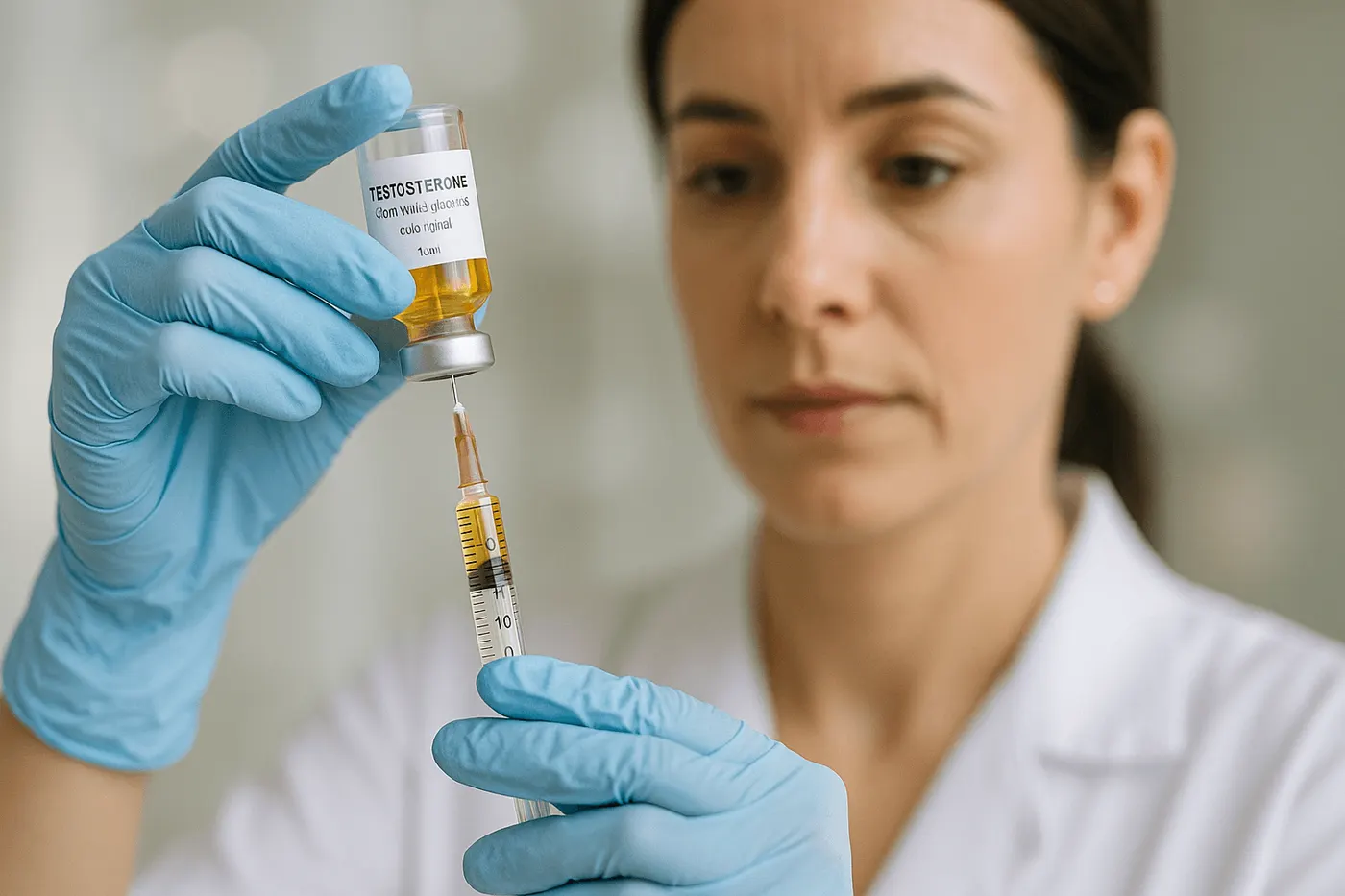
TRT for ED makes sense only when low testosterone is confirmed and part of the problem. The men most likely to be candidates usually fit one of these patterns:
- Symptoms of low T plus low total or free testosterone on early-morning labs, repeated on a second day to confirm, as the AUA guideline requires before diagnosis.
- ED that only partly responds to PDE5 inhibitors such as sildenafil (Viagra) or tadalafil (Cialis), when testosterone is also low.
- Men with low T who want to protect fertility, for whom a plan built around HCG may be considered instead of testosterone alone. Our article on whether TRT affects fertility explains why.
If your testosterone is normal, TRT is not the answer to ED. Our page on ED with normal testosterone covers the more likely causes.
What results to expect
Desire usually responds more reliably than erection firmness, and results vary from man to man. The table below summarizes what the research shows.
| Area | What the evidence shows |
|---|---|
| Libido and sexual activity | In the TRAVERSE sexual function study of men with low T and low libido, testosterone improved sexual activity and desire for up to 2 years |
| Erection quality | The same study found no significant improvement in erectile function versus placebo; pooled trials in the AUA guideline show a small average gain, with some men improving more |
| Response to ED medicines | The AUA ED guideline says PDE5 inhibitors may work better combined with testosterone in men with low T, though one randomized trial found no added benefit over optimized sildenafil |
| Timing | Some long-term data show slow, continuing improvement in erections for up to 3 years |
The TRAVERSE sexual function study followed 1,161 men aged 45 to 80 with low testosterone and low libido. The sildenafil add-on trial randomized 140 men whose sildenafil dose had already been optimized. Taken together, the honest message is that TRT can make sex feel more wanted and more frequent, and may help erections, but most men with significant ED still need a dedicated ED treatment.
The AUA also advises discussing stopping therapy if testosterone reaches normal levels within three to six months but symptoms do not improve. Gains that do appear tend to hold with adherence, healthy habits and proper monitoring.
Your TRT options at Ultimate Male
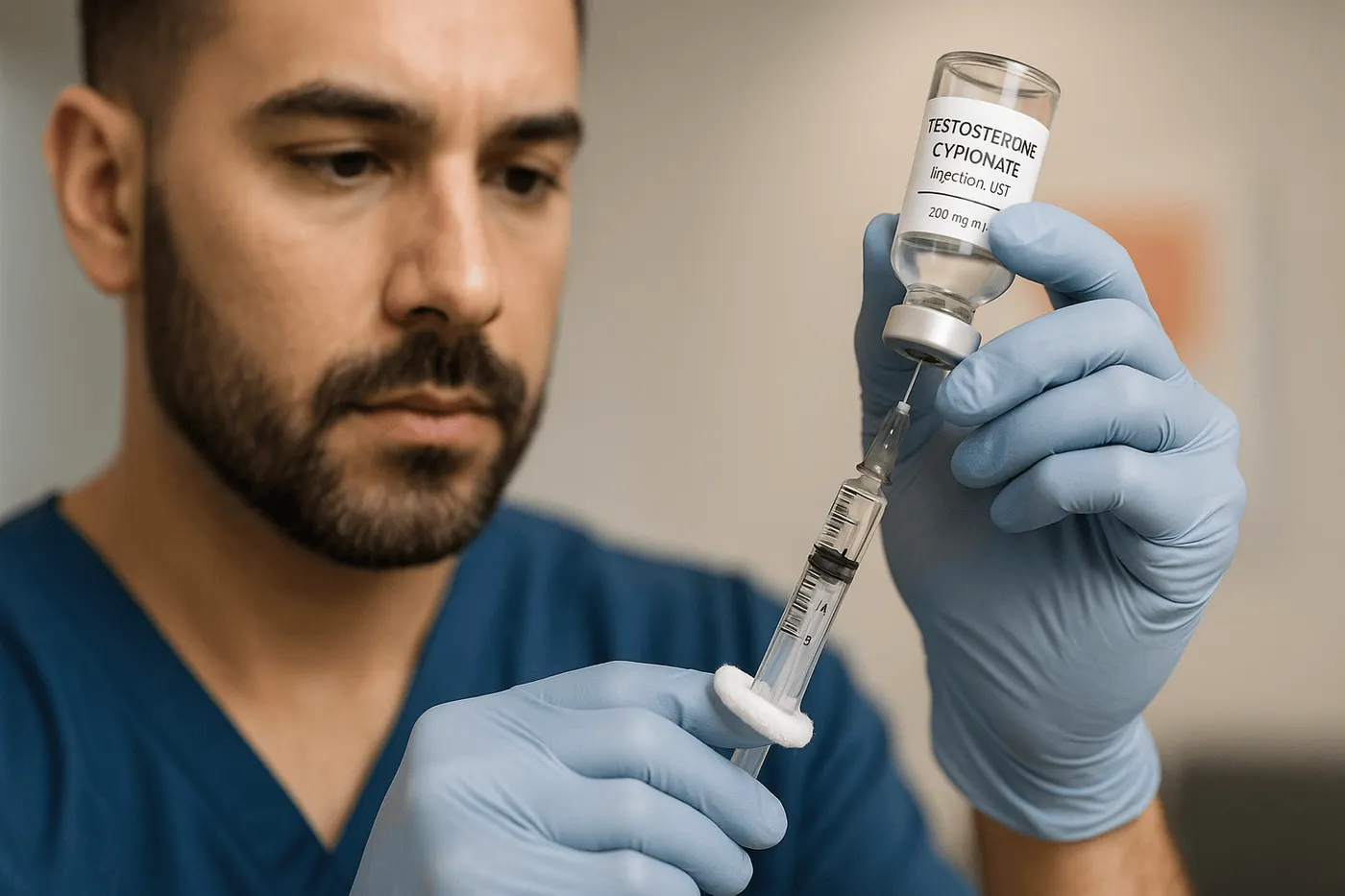
Ultimate Male offers four routes for men with confirmed low testosterone, and the right one depends on your labs, schedule and fertility plans. Your provider sets the dose and adjusts it based on follow-up results.
Injections: testosterone cypionate
Testosterone injections give a direct, controlled dose on a set schedule, either in the muscle or under the skin, in clinic or at home. They allow fine dose adjustments.
Oral Kyzatrex
Kyzatrex is a testosterone undecanoate capsule taken with food. It suits men who want to avoid needles.
HCG (Pregnyl)
HCG stimulates the testes to make their own testosterone. It can be used alone or added to testosterone to help maintain testicular function, size and sperm production.
Pellets (Pellecome)
Testosterone pellets are placed under the skin in a brief in-office procedure and release testosterone steadily over several months.
Testosterone gels and oral medicines that raise the body’s own LH and FSH, such as enclomiphene, are other approaches some men ask about. They are not part of the clinic’s own menu, but your provider can explain how they compare; see our enclomiphene vs. TRT comparison.
Safety, labs and dose tuning
Baseline and follow-up labs usually include total and free testosterone, SHBG, estradiol, a CBC with hematocrit, a metabolic panel and lipids, plus PSA when indicated, LH, FSH, prolactin and blood pressure. Rising red blood cell counts are the most common lab issue on TRT, which is why our article on high hematocrit on TRT is worth reading.
Blood pressure matters too. In 2025 the FDA required class-wide testosterone labeling changes that add blood pressure warnings and the TRAVERSE trial results, and remove boxed warning language about increased cardiovascular risk. We adjust treatment based on symptoms plus labs, not numbers alone, and plan around your work schedule and fertility goals.
If TRT isn’t the whole answer
When testosterone is only one piece of ED, other treatments can be layered in, each chosen for a specific reason:
- PDE5 inhibitors, on demand or as daily vs. as-needed tadalafil
- PRP injections for ED in the style of the P-Shot, which the AUA still classifies as experimental
- Shockwave therapy aimed at penile blood flow, which is not FDA-approved for ED and is considered investigational by the AUA
- Pelvic floor exercises, better sleep, strength training, cardio and nutrition
An erection that lasts more than 4 hours, or chest pain during sex, is an emergency: go to the ER or call 911 rather than waiting for a clinic visit.
Your next step
Getting started follows a clear sequence at our San Gabriel and Downey clinics:
- A free 10-minute phone call, then on-site morning labs with results in 24 to 48 hours
- A one-on-one consultation with a PA-C or MD and, if treatment fits, a personalized testosterone therapy plan
- Follow-up labs and dose adjustments over the first few months
- Regular check-ins once levels and symptoms are stable
Call or text 626-319-5261, or book online. The consultation is an evaluation: you will leave knowing whether low testosterone is part of your ED, whatever the answer turns out to be.
